
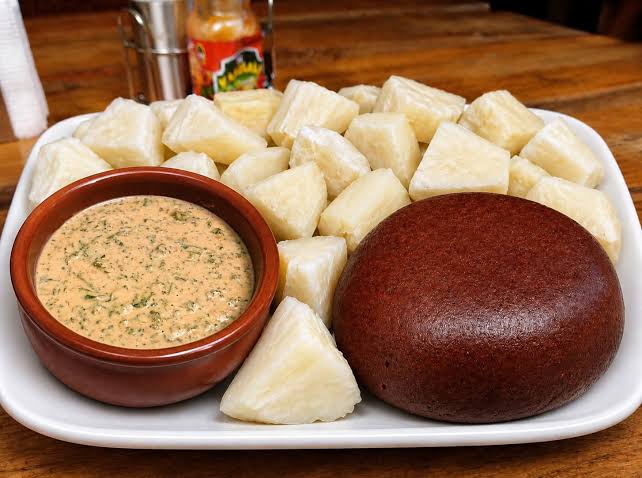
The Taste of Home: How "Malakwang," Millet Bread, and Simsim Keep Acholi Culinary Traditions Alive
Posted on: 26 Nov, 2026
Ask any Acholi person living far away in Kampala, Nairobi, or London what they miss most about home, and nine times out of ten they will not mention buildings or roads—they will smile and talk about food. In Acholi culture, cooking is an act of love, patience, and deep respect for the land.
At the center of almost every traditional Acholi meal is malakwang—a beloved, slightly tangy leafy green vegetable cooked slowly with roasted groundnut or simsim paste (odi). Preparing malakwang is an art passed from mothers to daughters. The leaves are plucked carefully, boiled until tender, and stirred with rich peanut paste until the sauce becomes thick, creamy, and full of flavor. Paired with steaming hot kwon kal—firm, nutritious bread made from finger millet and cassava flour—it is the ultimate comfort food after a long morning of digging in the fields.
Another treasured staple in every Acholi kitchen is odi—a smooth, savory paste made by roasting sesame seeds and groundnuts and grinding them together until their natural oils shine. Odi is stirred into beans, dried fish, pumpkin leaves (boo), or eaten simply with boiled sweet potatoes and cassava. During harvest time, families also enjoy lapena (pigeon peas), smoked meat, and fresh honey harvested from hives hanging high in woodland trees.
In 2026, even as fast-food restaurants and modern supermarkets expand in growing towns like Gulu City, traditional Acholi cuisine is experiencing a proud revival. Local eateries specializing in authentic village dishes are packed at lunchtime with office workers, students, and visitors eager for a wholesome plate of boo, malakwang, and millet bread. At cultural festivals and family weddings, elders insist on serving traditional dishes in woven baskets and clay bowls so younger generations remember how to prepare them from scratch.
In an Acholi homestead, how you eat matters just as much as what you eat. Before a meal begins, a basin of warm water is brought around so everyone—starting with the eldest person—can wash their hands. Families sit together on woven papyrus mats, sharing from common bowls while catching up on the day's news. Visitors are always welcomed without hesitation, because in Acholi tradition, there is always enough food in the pot when hearts are open.
For the everyday Acholi person, every bite of millet bread and peanut-rich greens carries the warmth of home, the hard work of the farmer, and the enduring sweetness of community life.
Share This
Recent Posts
-
The Taste of Home: How "Malakwang," Millet Bread, and Simsim Keep Acholi Culinary Traditions Alive
-
 Drinking the Bitter Root Together: Why the Acholi Tradition of "Mato Oput" Still Teaches the World How to Forgive
-
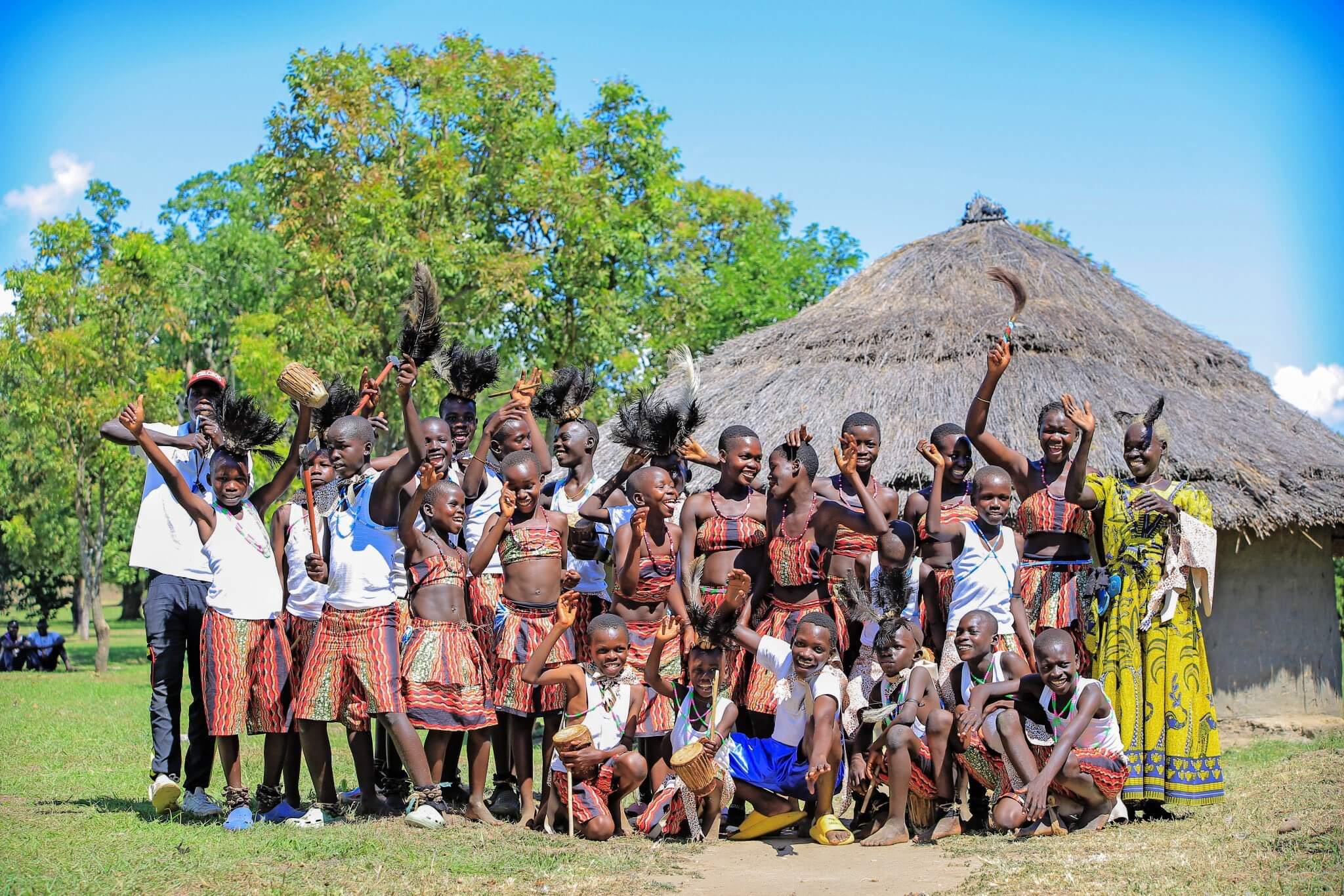 Books, Skills, and Big Dreams: How Young People in Acholi Are Rebuilding Their Future Through Education
-
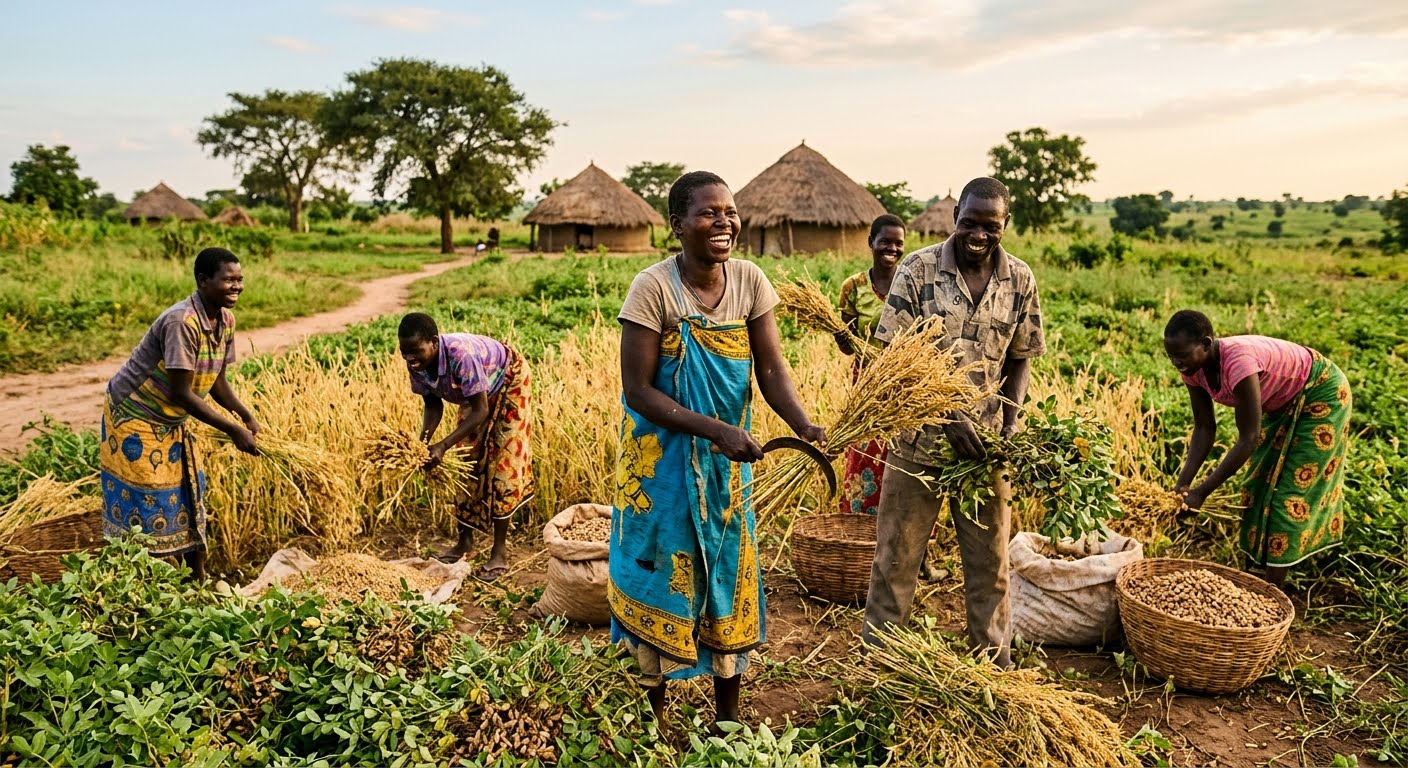 Golden Seeds and Green Fields: How Simsim, Shea Butter, and Small Farms Are Powering Acholi Households
-
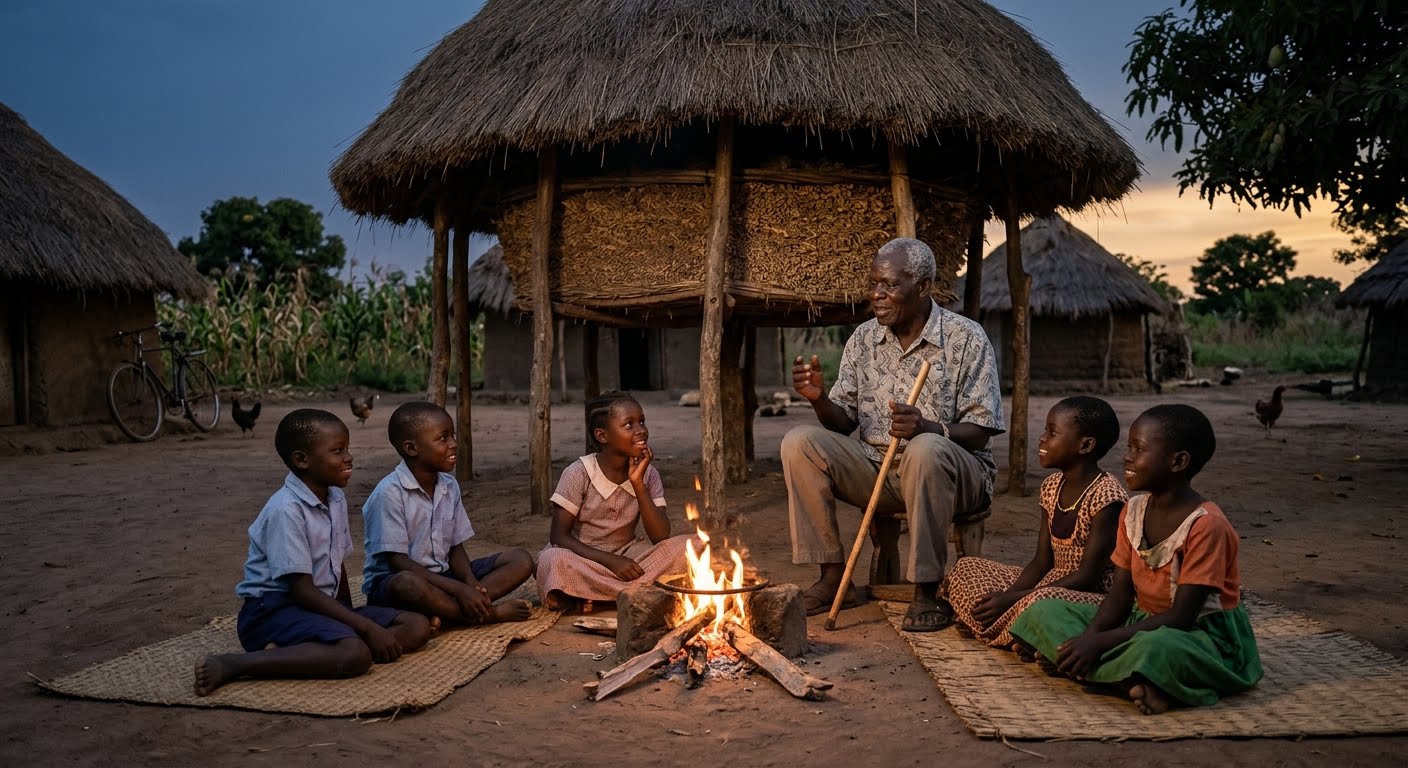 Faith Under the Mango Tree and Inside the Church: How Religion Shapes Hope and Moral Life in Acholi
-
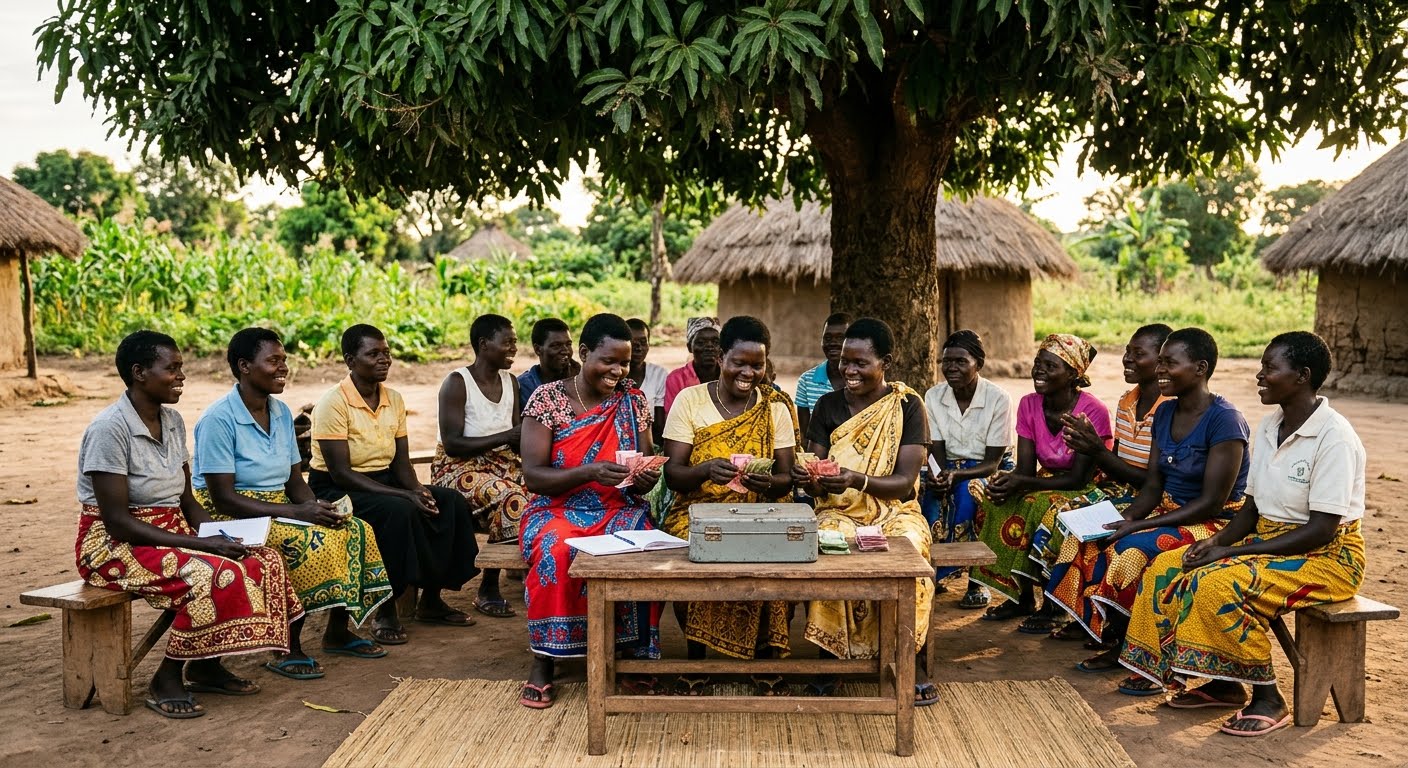 Neighbors Helping Neighbors: How the Spirit of "Konyo Kwo" Keeps Acholi Social Life Warm and Alive
-
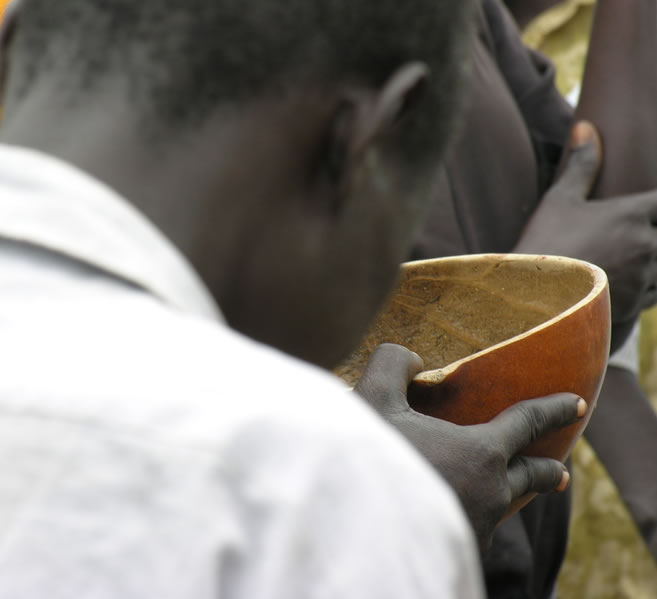 From Fireside Stories to a World-Class Museum: Why Acholi Is Building a Home for Its Own History
-
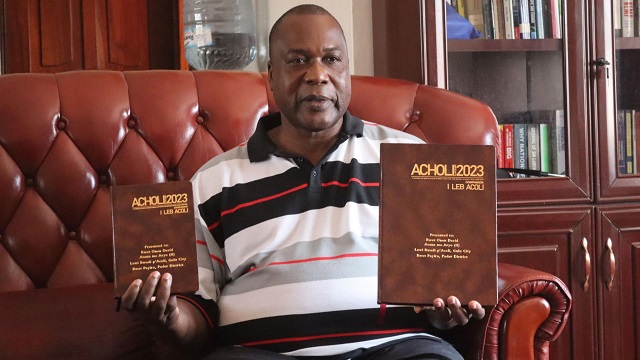 Our Soil, Our Future: How Acholi Families Are Protecting Their Ancestral Land While Seeking Peaceful Progress
-
 Beyond the Ballot Box: Why Ordinary People in Acholi Are Demanding Leaders Who Listen to Everyday Problems
-
 Rwot David Onen Acana II (born 1967) is the Paramount Chief
Comments (0)
Post Your Comment