
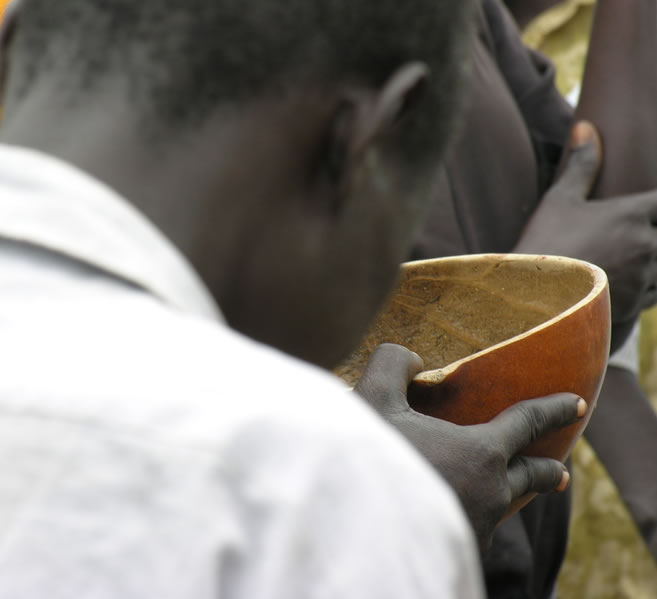
From Fireside Stories to a World-Class Museum: Why Acholi Is Building a Home for Its Own History
Posted on: 27 Nov, 2025
Every Acholi child knows the magic of wang oo—the evening fireplace where grandparents gather the young ones after supper to tell stories about where the family came from. Around the glowing embers, children learn how their Luo ancestors journeyed south along the Nile from Bahr el Ghazal centuries ago, how brave chiefs guided their clans through droughts and wars, and why wisdom is always valued more than brute strength.
For generations, Acholi history lived mostly in the memories and voices of elders. However, as older generations pass away and young people spend more time in classrooms or moving to busy towns like Gulu and Kampala, many families have started asking a serious question: How do we make sure our grandchildren truly know their history?
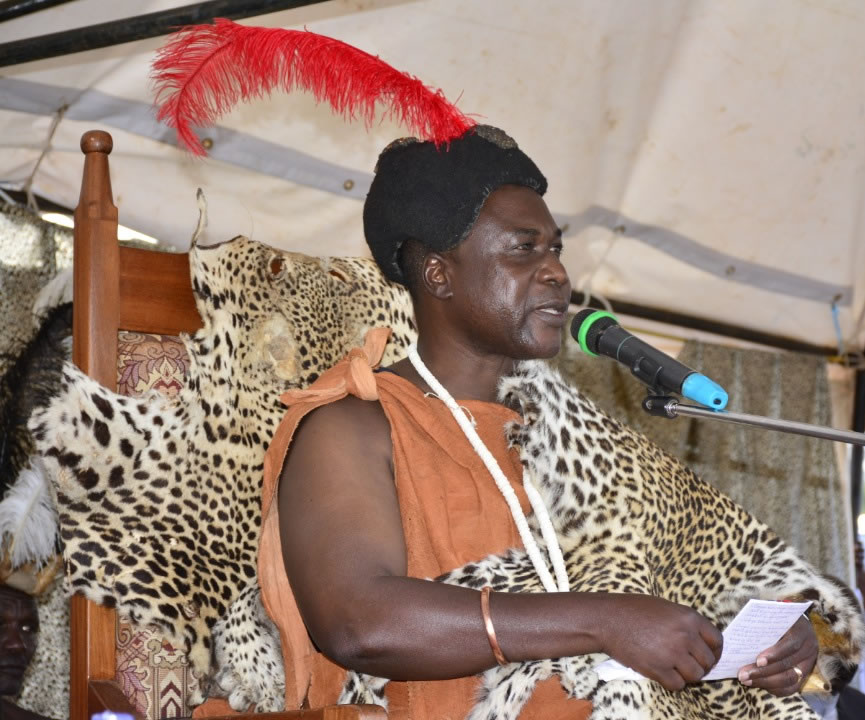
In 2026, the Acholi cultural institution, Ker Kwaro Acholi, took a bold and exciting step to answer that question. Leaders unveiled plans to construct a modern, world-class cultural museum right in the heart of Acholiland, alongside community-led initiatives like the proposed Tekwaro Cultural Hub. Designed to meet national museum standards, this new space will safely preserve ancient royal drums, traditional spears, hunting tools, beadwork, and historical records that tell the complete story of the Acholi people—not as outsiders wrote it, but as Acholi elders remember it.
Understanding Acholi history is especially important because of the painful chapters the region has walked through. Before colonial rule, Acholi was not ruled by one single king who forced everyone to obey; instead, it was a peaceful network of more than fifty chiefdoms, each led by a Rwot (chief) who ruled by listening to a council of elders. When British colonial officers arrived, they misunderstood this democratic system and labeled the Acholi mostly as soldiers, recruiting thousands of young men into the army. Later, after Uganda gained independence in 1962, political divisions in the country brought deep suffering to the north—from persecution under Idi Amin in the 1970s to the twenty-year Lord’s Resistance Army conflict that forced nearly two million ordinary villagers into crowded displacement camps.
For too long, whenever people outside northern Uganda heard the word "Acholi," they only thought of war and pain. The new museum and cultural hubs aim to change that story forever. By creating spaces with digital exhibition rooms, libraries, living villages, and storytelling halls, young people from Kitgum, Pader, Agago, and beyond will be able to see the richness of their heritage with their own eyes.
For the everyday parent and grandparent, this effort is deeply personal. Knowing where you come from gives you strength to face tomorrow. When a young person walks into a museum built by their own people and sees the tools their ancestors forged and the peace traditions they invented, pride replaces shame. History stops being a sad memory and becomes a strong foundation for the future.
Share This
Recent Posts
-
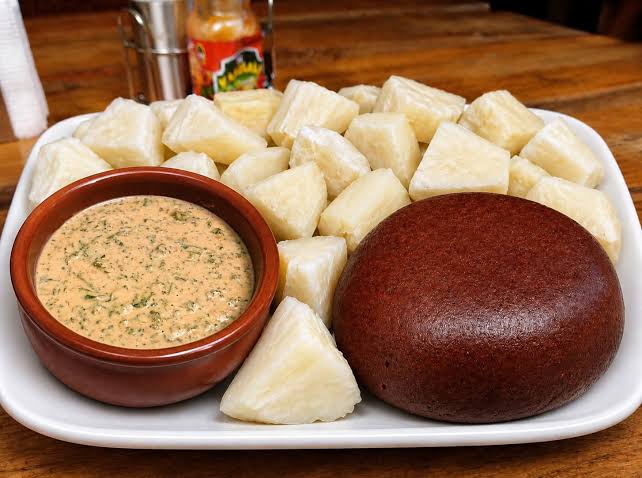 The Taste of Home: How "Malakwang," Millet Bread, and Simsim Keep Acholi Culinary Traditions Alive
-
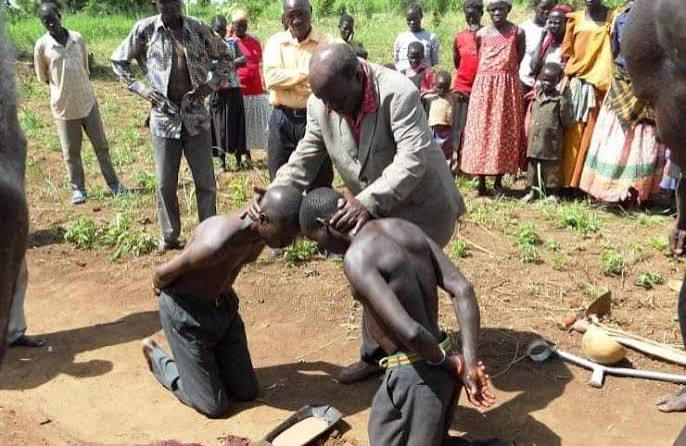 Drinking the Bitter Root Together: Why the Acholi Tradition of "Mato Oput" Still Teaches the World How to Forgive
-
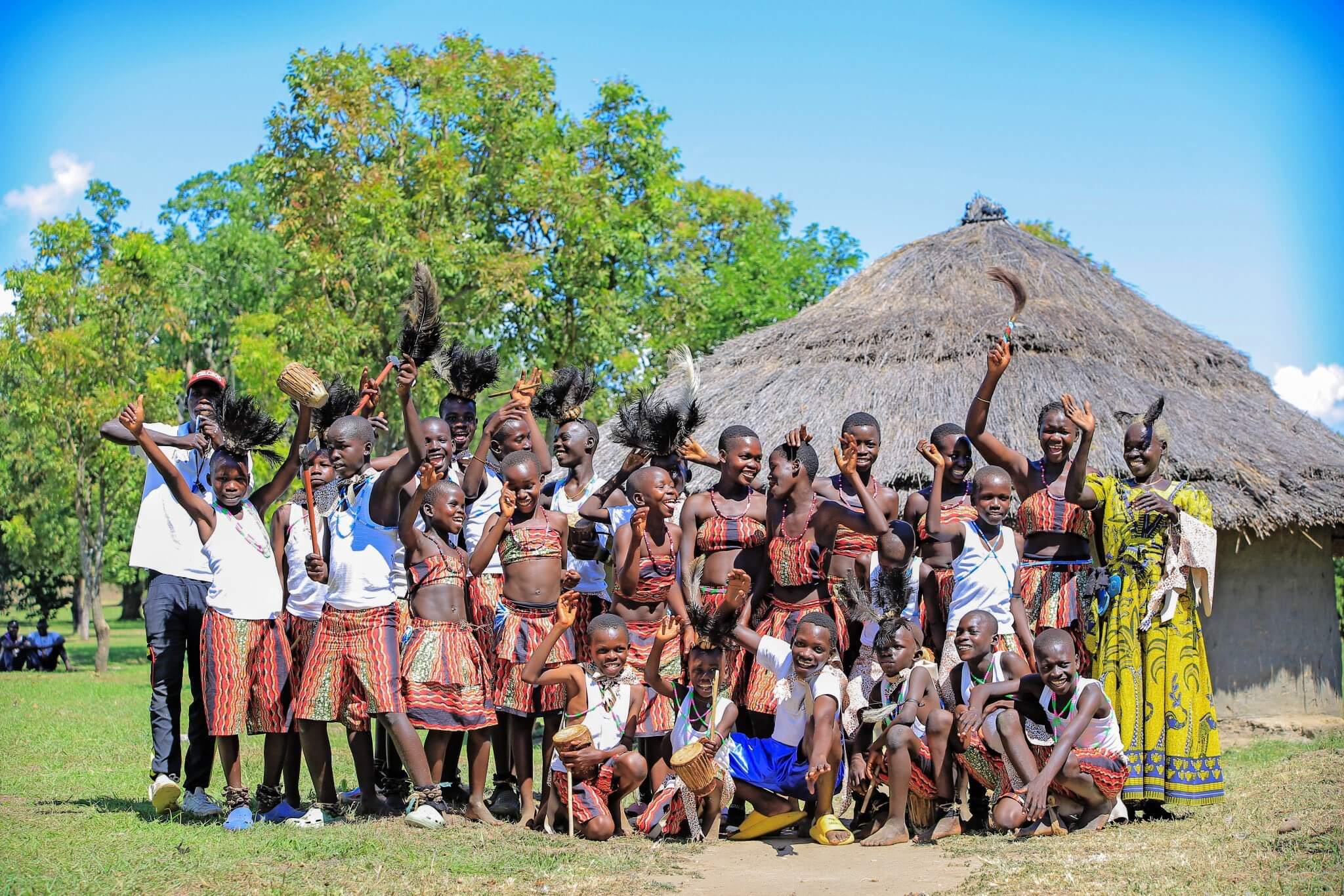 Books, Skills, and Big Dreams: How Young People in Acholi Are Rebuilding Their Future Through Education
-
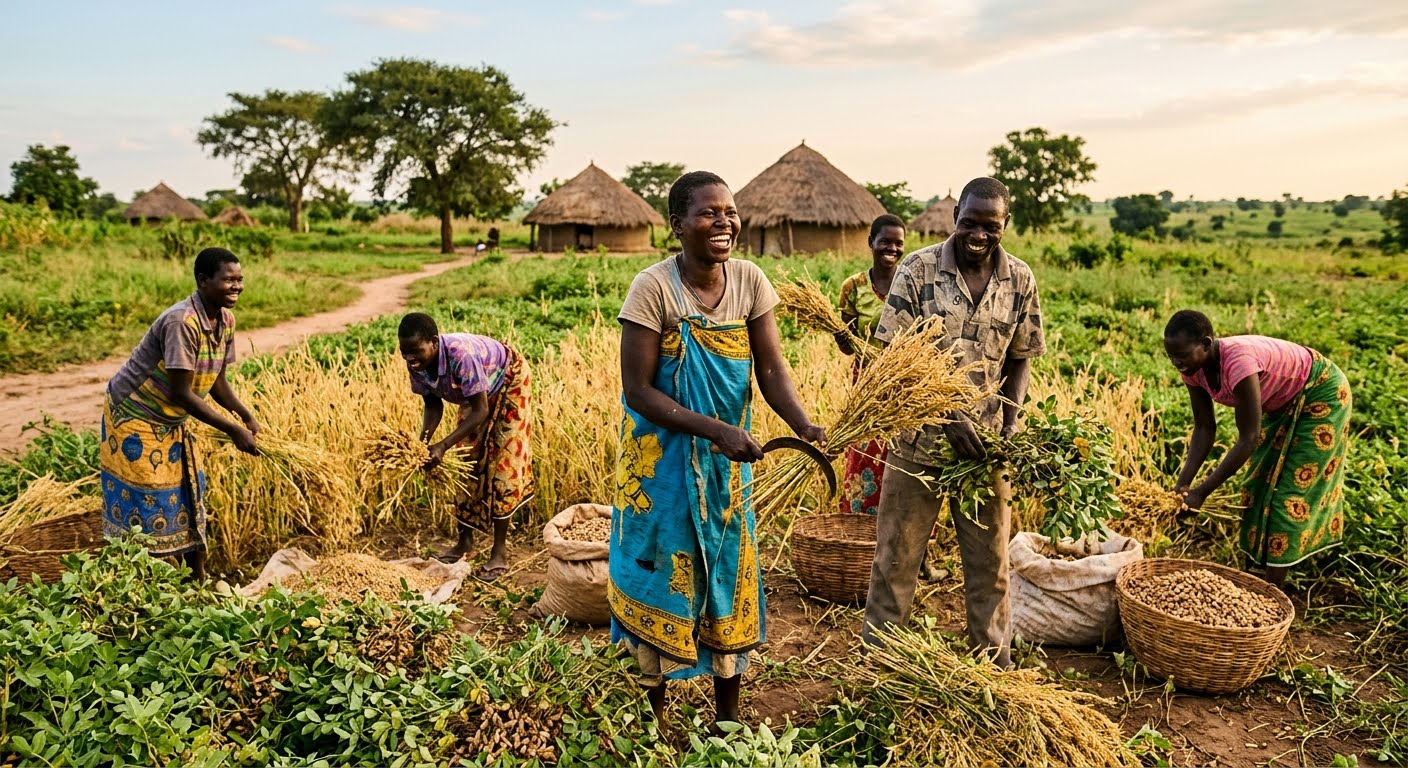 Golden Seeds and Green Fields: How Simsim, Shea Butter, and Small Farms Are Powering Acholi Households
-
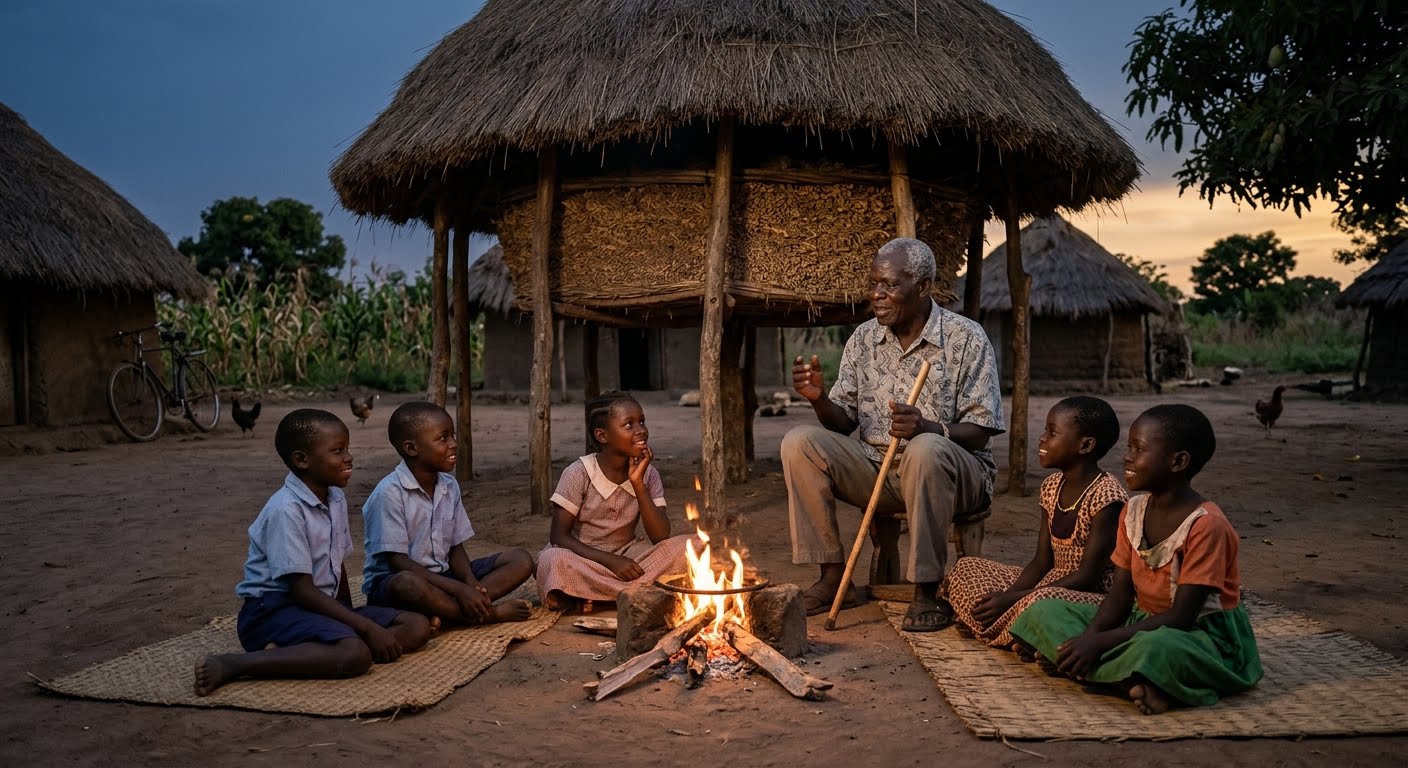 Faith Under the Mango Tree and Inside the Church: How Religion Shapes Hope and Moral Life in Acholi
-
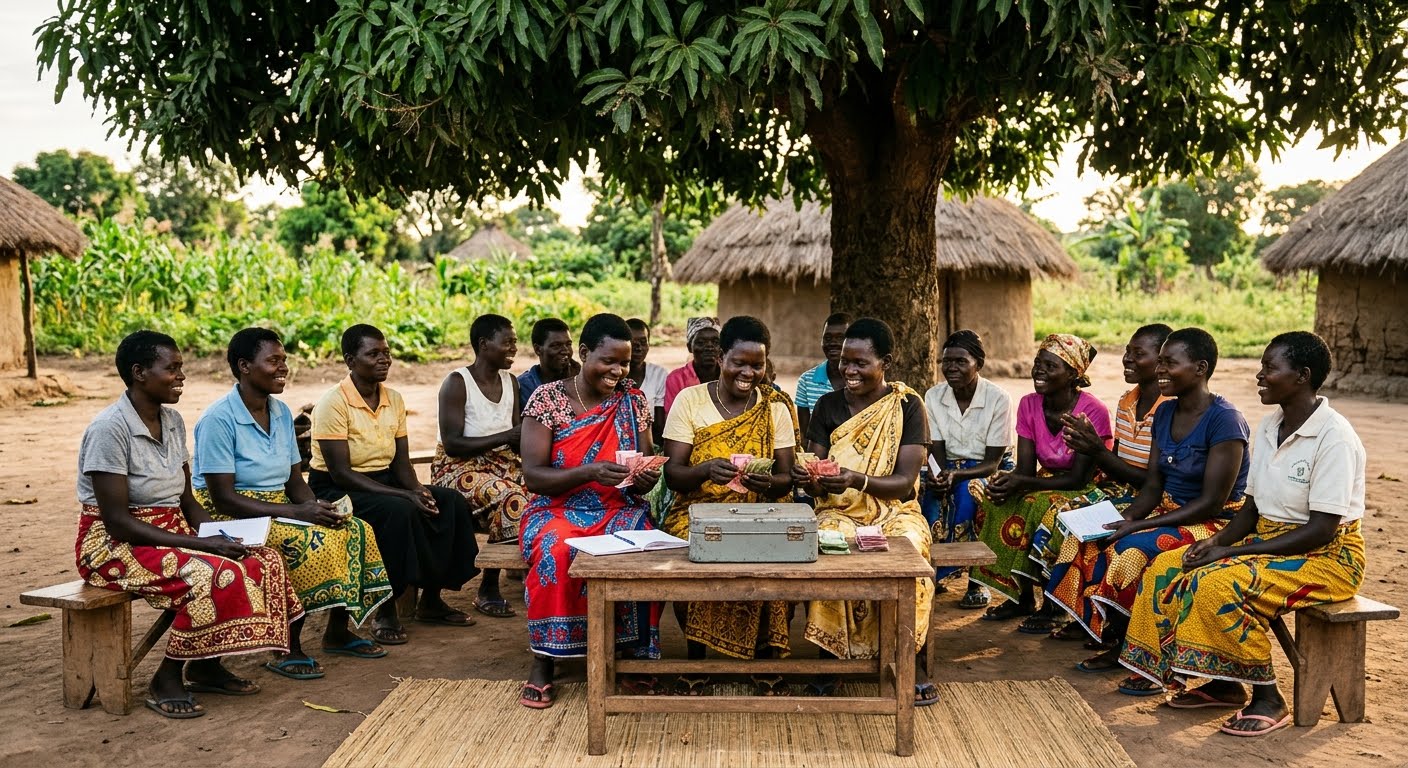 Neighbors Helping Neighbors: How the Spirit of "Konyo Kwo" Keeps Acholi Social Life Warm and Alive
-
From Fireside Stories to a World-Class Museum: Why Acholi Is Building a Home for Its Own History
-
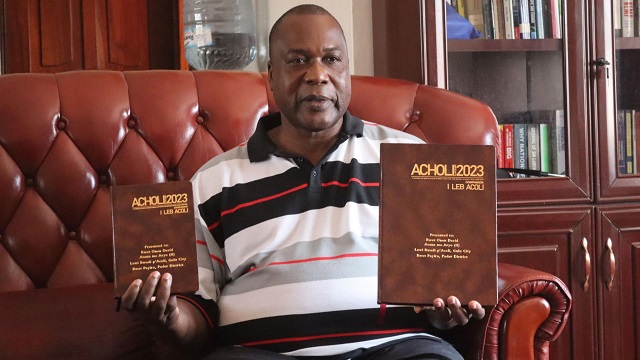 Our Soil, Our Future: How Acholi Families Are Protecting Their Ancestral Land While Seeking Peaceful Progress
-
 Beyond the Ballot Box: Why Ordinary People in Acholi Are Demanding Leaders Who Listen to Everyday Problems
-
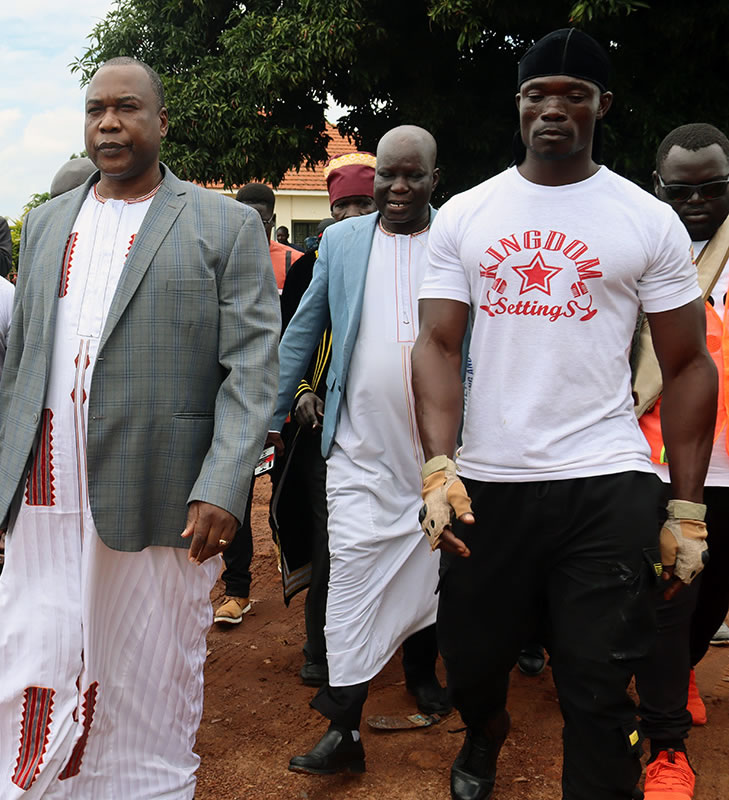 Rwot David Onen Acana II (born 1967) is the Paramount Chief
Comments (0)
Post Your Comment