
Golden Seeds and Green Fields: How Simsim, Shea Butter, and Small Farms Are Powering Acholi Households
Posted on: 26 Nov, 2026
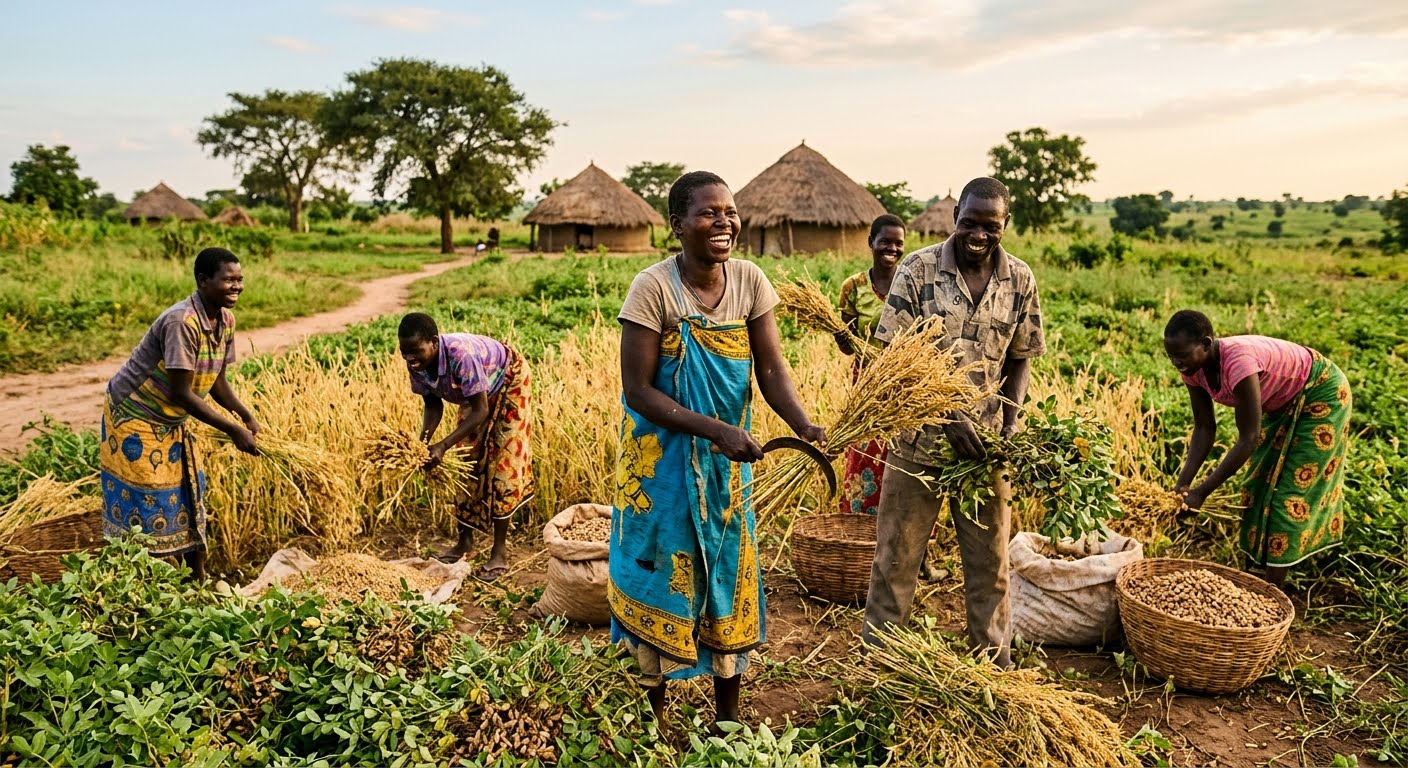
If you wake up early in any village across Nwoya, Omoro, or Kitgum, you will see people already walking down narrow paths with hand hoes balanced on their shoulders. For the everyday Acholi family, the soil is not just part of their heritage—it is their main bank, their grocery store, and their children's school fees.
Over the past 5 years, farming across northern Uganda has quietly become the strongest engine of local recovery. While large factories are still few, ordinary smallholder farmers are turning Acholi’s vast, fertile plains into a hub for high-value crops like sesame (locally known as simsim), groundnuts, sunflower, soybeans, and coffee. In 2026, farmers’ cooperatives across districts like Pader and Agago have been working harder to pool their harvests together instead of selling tiny bags alone to middlemen at low prices. By storing their grain in community warehouses and selling in bulk, ordinary families are earning fairer money for their sweat.
One of the most exciting success stories for rural women in Acholi is the growth of Yaa—the wild shea tree that grows naturally across northern Uganda. For generations, Acholi women collected fallen shea nuts, roasted them over open fires, and pressed them by hand into rich, golden oil for cooking and skin care. Today, international demand for organic African shea butter has turned this traditional women’s craft into a steady source of household income. Women’s groups in Otuke, Pader, and Kitgum are receiving training on cleaner processing methods and environmental protection so that people stop cutting down precious shea trees for charcoal.
Still, farming life is never easy for the common villager. Unpredictable weather—sometimes heavy rains that flood gardens, and other times long dry spells that scorch young maize—keeps families on edge. High prices for quality seeds and ox-plows also make it hard for poor households to expand their gardens. That is why local leaders and agricultural extension officers have been encouraging farmers to embrace climate-smart habits, like planting fast-maturing seeds, intercropping beans with maize, and using ox-traction to clear more land without exhausting their bodies.
In bustling trading centers like Gulu City, Elegu near the South Sudan border, and Kitgum Municipality, the energy of small business is easy to see. Market stalls overflow with dried fish, cassava flour, honey, and fresh vegetables. For the everyday Acholi person, economic progress does not mean getting rich overnight; it means having enough harvest in the granary (dero) to feed the family through the dry season, pay school fees on time, and live with dignity.
Share This
Recent Posts
-
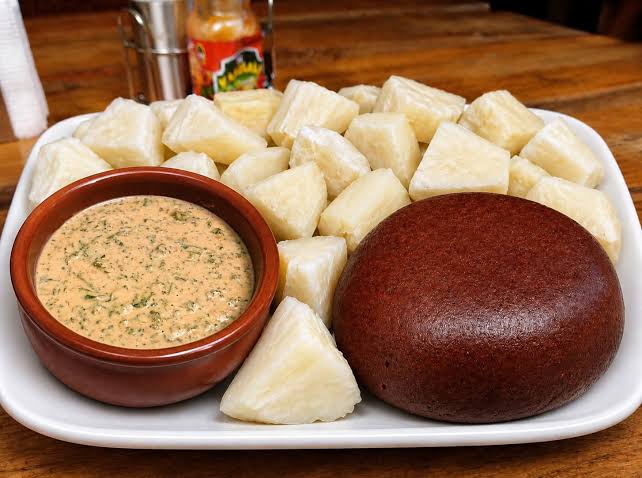 The Taste of Home: How "Malakwang," Millet Bread, and Simsim Keep Acholi Culinary Traditions Alive
-
 Drinking the Bitter Root Together: Why the Acholi Tradition of "Mato Oput" Still Teaches the World How to Forgive
-
 Books, Skills, and Big Dreams: How Young People in Acholi Are Rebuilding Their Future Through Education
-
Golden Seeds and Green Fields: How Simsim, Shea Butter, and Small Farms Are Powering Acholi Households
-
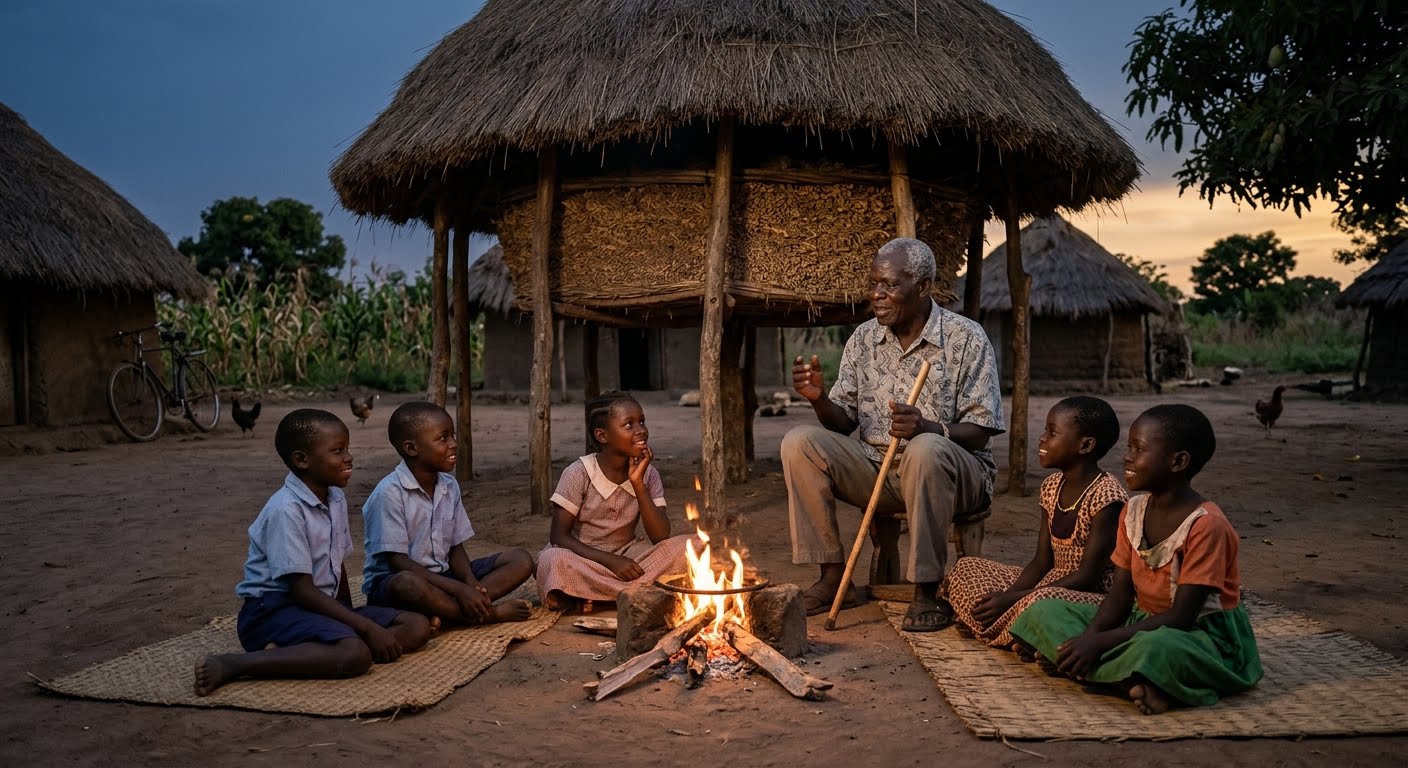 Faith Under the Mango Tree and Inside the Church: How Religion Shapes Hope and Moral Life in Acholi
-
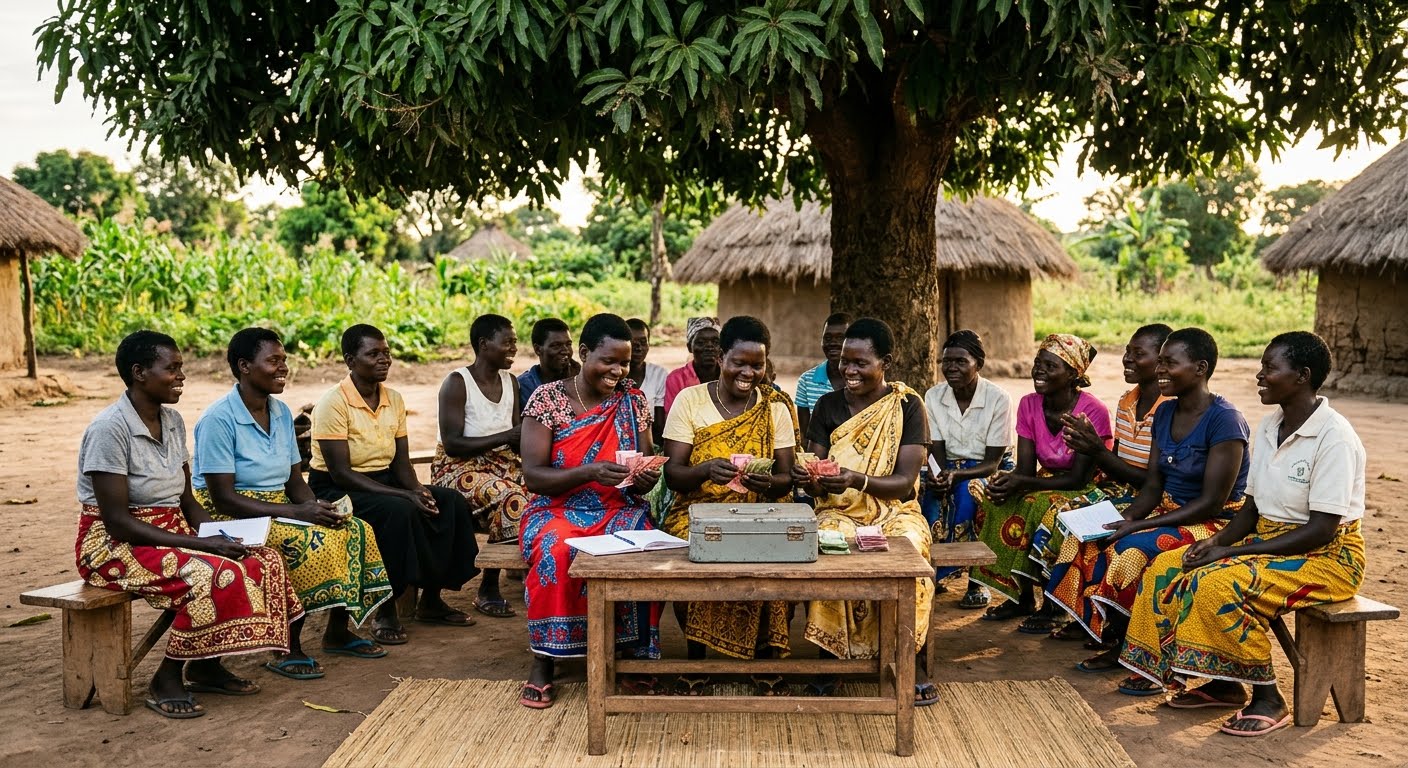 Neighbors Helping Neighbors: How the Spirit of "Konyo Kwo" Keeps Acholi Social Life Warm and Alive
-
 From Fireside Stories to a World-Class Museum: Why Acholi Is Building a Home for Its Own History
-
 Our Soil, Our Future: How Acholi Families Are Protecting Their Ancestral Land While Seeking Peaceful Progress
-
 Beyond the Ballot Box: Why Ordinary People in Acholi Are Demanding Leaders Who Listen to Everyday Problems
-
 Rwot David Onen Acana II (born 1967) is the Paramount Chief
Comments (0)
Post Your Comment