Books, Skills, and Big Dreams: How Young People in Acholi Are Rebuilding Their Future Through Education
Posted on: 26 Nov, 2026
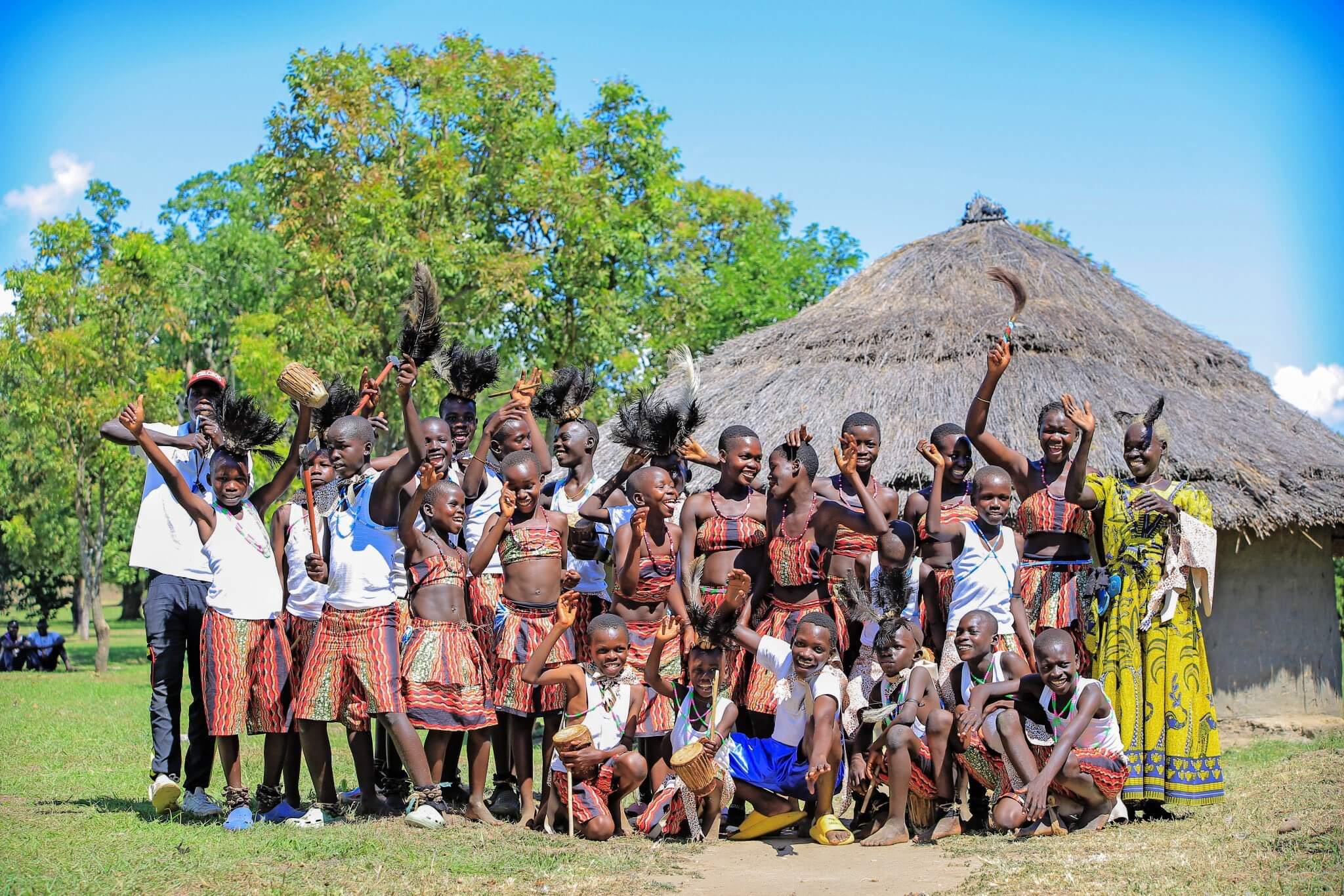
Every morning at sunrise, thousands of boys and girls in crisp blue, green, and maroon school uniforms walk miles along red-earth roads across Acholiland, carrying worn exercise books and big dreams. For parents who grew up during years when schools were closed or disrupted by conflict, seeing their children sit safely inside a classroom is one of life's greatest joys.
Education has always held a special place in the hearts of Acholi families. Long before modern schools arrived, learning happened around the evening fire, where elders taught children respect, practical skills, and how to live peacefully with neighbors. Today, formal education—anchored by institutions like Gulu University, Sir Samuel Baker School, Sacred Heart Secondary School, and hundreds of rural primary schools—is seen as the surest bridge out of poverty.
Yet, in 2026, parents, teachers, and young people across northern Uganda are having honest conversations about what kind of education truly helps a young person survive. Across districts like Gulu, Amuru, and Lamwo, many families struggle to keep children in school until Senior Four or Senior Six because of uniform costs, exam fees, and long walking distances. Girls still face extra hurdles, from lack of sanitary pads to pressure to marry early when money at home runs out. Local community leaders and non-profit groups have been stepping up with school feeding programs and mentorship clubs to keep girls in class.
At the same time, a fresh mindset is spreading among Acholi youth: university degrees alone are no longer the only path to a good life. Vocational and hands-on skills—such as carpentry, tailoring, solar installation, mechanics, hairdressing, and modern agribusiness—are gaining new respect. Technical institutes across the sub-region are seeing rising enrollment as young people realize that a skilled welder or tailor in Gulu or Kitgum can start earning money right away instead of waiting years for a scarce office job.
Outside the classroom, young Acholi creatives are also finding their voice. In Gulu City and local town centers, youth-led radio shows, spoken-word poetry groups, and digital content creators are using the Acholi language to discuss mental health, career advice, and community pride. For the everyday teenager growing up in Acholi today, the message from elders and teachers is clear: hold tightly to your books, learn a practical skill with your hands, and never forget where you come from.
Share This
Recent Posts
-
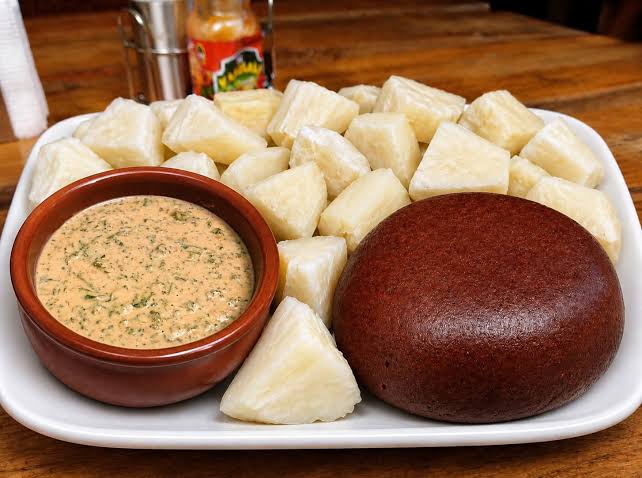 The Taste of Home: How "Malakwang," Millet Bread, and Simsim Keep Acholi Culinary Traditions Alive
-
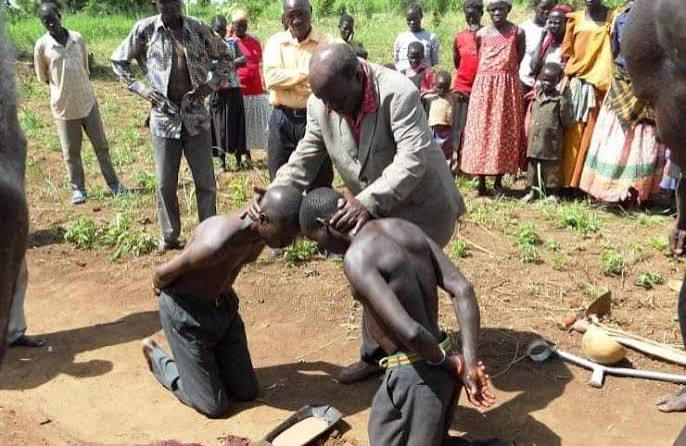 Drinking the Bitter Root Together: Why the Acholi Tradition of "Mato Oput" Still Teaches the World How to Forgive
-
Books, Skills, and Big Dreams: How Young People in Acholi Are Rebuilding Their Future Through Education
-
 Golden Seeds and Green Fields: How Simsim, Shea Butter, and Small Farms Are Powering Acholi Households
-
 Faith Under the Mango Tree and Inside the Church: How Religion Shapes Hope and Moral Life in Acholi
-
 Neighbors Helping Neighbors: How the Spirit of "Konyo Kwo" Keeps Acholi Social Life Warm and Alive
-
 From Fireside Stories to a World-Class Museum: Why Acholi Is Building a Home for Its Own History
-
 Our Soil, Our Future: How Acholi Families Are Protecting Their Ancestral Land While Seeking Peaceful Progress
-
 Beyond the Ballot Box: Why Ordinary People in Acholi Are Demanding Leaders Who Listen to Everyday Problems
-
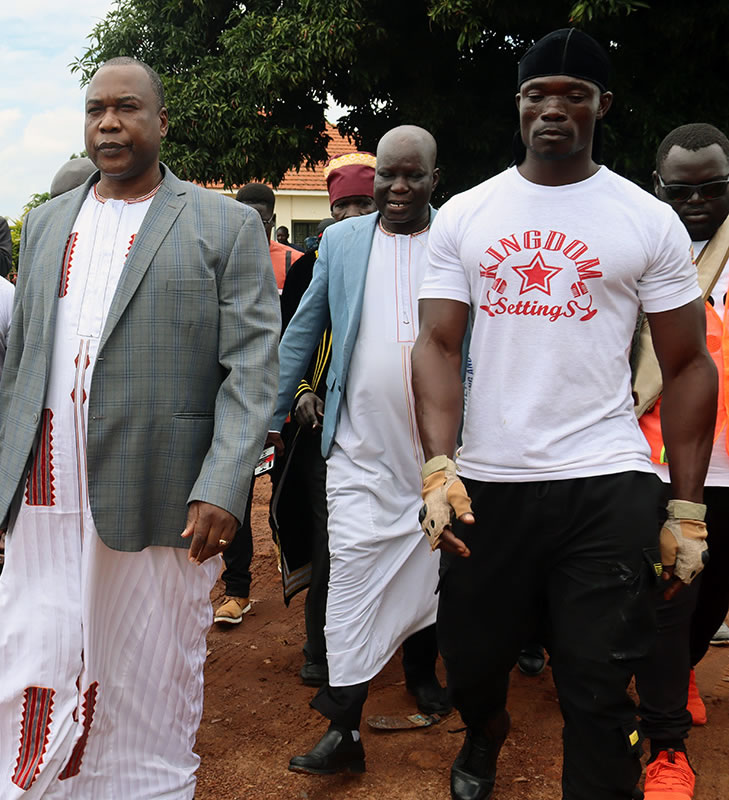 Rwot David Onen Acana II (born 1967) is the Paramount Chief
Comments (0)
Post Your Comment