
Neighbors Helping Neighbors: How the Spirit of "Konyo Kwo" Keeps Acholi Social Life Warm and Alive
Posted on: 26 Nov, 2026
If you walk through a village in Lamwo or a busy neighborhood in Gulu on a Saturday morning, you will quickly notice something special about how Acholi people live together. Even when money is tight and life feels heavy, nobody is meant to carry their burden alone.
In Acholi social life, your neighbor is your brother, your auntie, and your safety net.
At the heart of everyday life in Acholi is a beautiful tradition of working together known as awak or konyo kwo—helping one another survive and thrive. During planting and weeding seasons, neighbors still gather early in the morning to dig one family’s garden together, singing rhythmic work songs to keep spirits high before sharing a simple meal of boiled cassava, beans, and local brew under a shade tree. When a family loses a loved one, the entire village shows up without needing an invitation—bringing firewood, water, flour, and comfort so the grieving household never feels abandoned.
Today, as northern Uganda grows more urban and modern, that same spirit of togetherness is adapting to new challenges. Across districts like Kitgum, Gulu, and Nwoya, regional leaders and local organizations have been working closely with communities through grassroots consultations—such as the Raco Pacho dialogues—to tackle pressing social issues affecting families. Among the biggest concerns raised by ordinary parents are youth unemployment, rising teenage pregnancies, and keeping young girls in school.
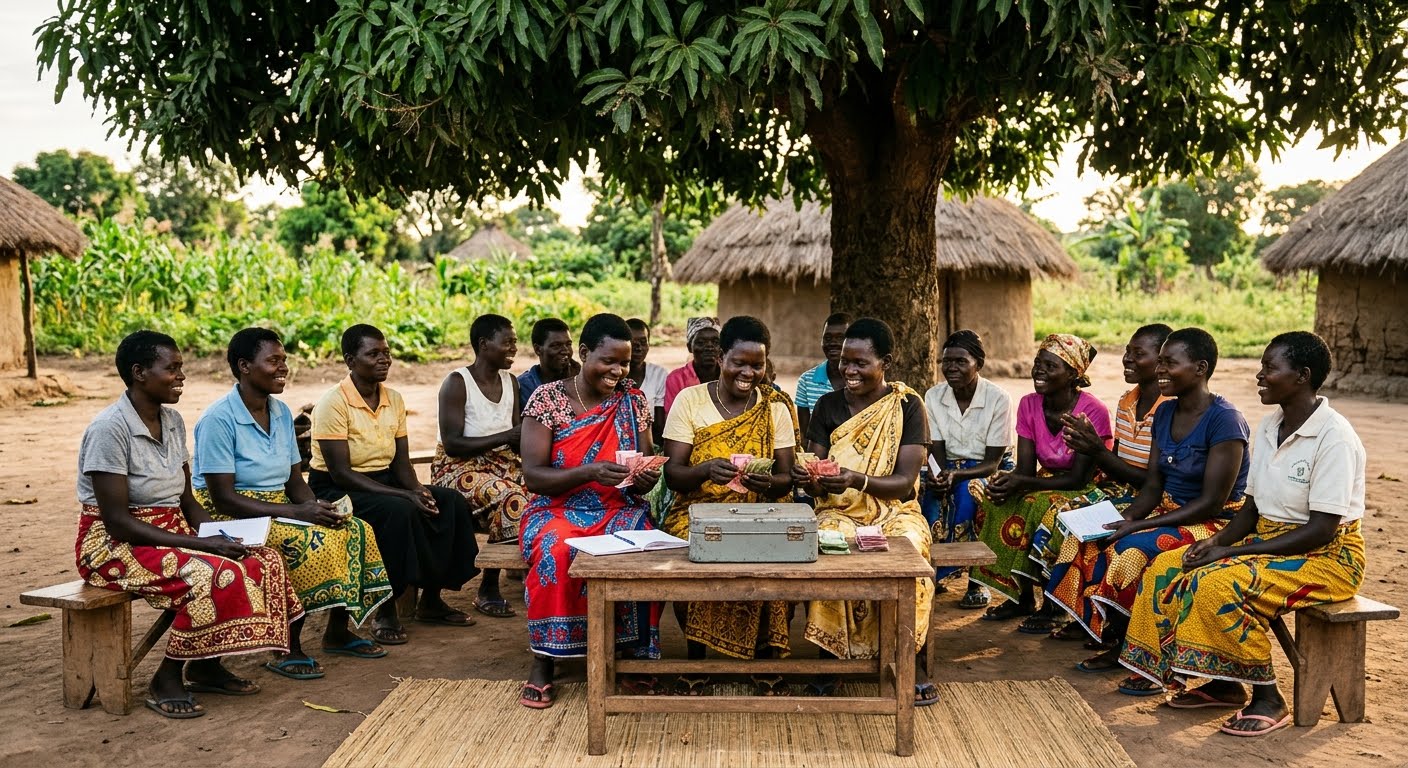
Rather than waiting solely for outside help, villagers are forming small savings groups—commonly called Village Savings and Loan Associations (VSLAs). Every week, mothers, farmers, and small shopkeepers sit together on wooden benches, drop a few thousand shillings into a metal lockbox, and support one another with small loans to buy school uniforms, start poultry projects, or pay hospital bills.
In places like Gulu City, young people are also blending modern social life with community pride—organizing local football tournaments, poetry nights, and youth conventions that keep teenagers away from alcohol and idle habits.
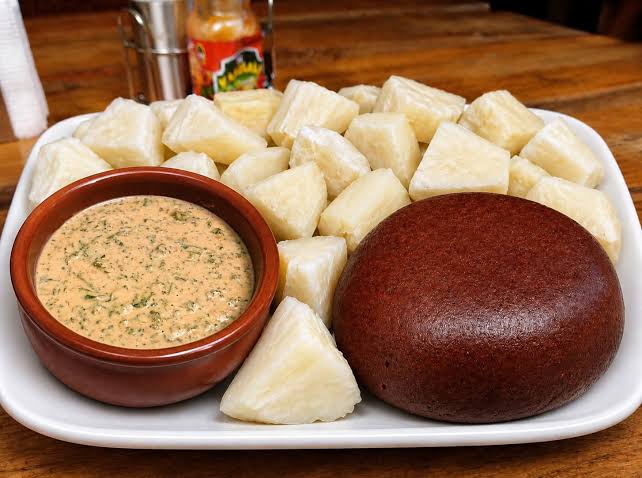
Food and hospitality remain the glue of Acholi social gatherings. Whether you are a rich relative from the city or a tired traveler passing through, an Acholi home will always offer you a stool to sit on and a bowl of malakwang (tangy greens cooked in rich peanut paste) alongside hot millet bread (kwon kal). Sharing food from the same dish is more than eating; it is a quiet promise of friendship and trust.
While modern phones and busy town life have changed how people communicate, the soul of Acholi social life remains unchanged. People still greet each other with genuine warmth, asking not just "How are you?" but "How did the people at home wake up?" For the common person, true wealth is not measured by how high your fence is, but by how many neighbors smile when they pass your gate.
Share This
Recent Posts
-
 The Taste of Home: How "Malakwang," Millet Bread, and Simsim Keep Acholi Culinary Traditions Alive
-
 Drinking the Bitter Root Together: Why the Acholi Tradition of "Mato Oput" Still Teaches the World How to Forgive
-
 Books, Skills, and Big Dreams: How Young People in Acholi Are Rebuilding Their Future Through Education
-
 Golden Seeds and Green Fields: How Simsim, Shea Butter, and Small Farms Are Powering Acholi Households
-
 Faith Under the Mango Tree and Inside the Church: How Religion Shapes Hope and Moral Life in Acholi
-
Neighbors Helping Neighbors: How the Spirit of "Konyo Kwo" Keeps Acholi Social Life Warm and Alive
-
 From Fireside Stories to a World-Class Museum: Why Acholi Is Building a Home for Its Own History
-
 Our Soil, Our Future: How Acholi Families Are Protecting Their Ancestral Land While Seeking Peaceful Progress
-
 Beyond the Ballot Box: Why Ordinary People in Acholi Are Demanding Leaders Who Listen to Everyday Problems
-
 Rwot David Onen Acana II (born 1967) is the Paramount Chief
Comments (0)
Post Your Comment