

Our Soil, Our Future: How Acholi Families Are Protecting Their Ancestral Land While Seeking Peaceful Progress
Posted on: 27 Nov, 2025
To an Acholi person, land is never just dirt or a piece of property you buy and sell like a bicycle. Land is where your umbilical cord is buried, where your grandparents rest, and where your children will grow their food tomorrow. That is why any conversation about land in northern Uganda touches the deepest feelings of the community.
Over the past year and a half, land issues have remained one of the biggest concerns for families across districts like Amuru, Nwoya, Gulu, and Pader. From long-standing disputes with migrant cattle keepers—commonly known as the Balaalo—to worries about large investors and changing land laws, ordinary villagers have found themselves fighting to protect what their ancestors left behind.
When the government issued directives ordering the peaceful exit of unapproved cattle herders whose animals were straying into local gardens and destroying crops, many Acholi farmers breathed a sigh of relief. For years, small-scale farmers watched helplessly as wandering cattle ate the maize, simsim, and groundnuts they had sweated to plant. Cultural and religious leaders stood firmly beside the villagers, reminding the nation that under Acholi custom, land is held in trust by the clan for future generations—meaning one individual cannot secretly sell off family land without the blessing of the whole clan.
At the same time, new challenges have appeared on the horizon. Just recently, in November 2026, women across Acholi raised their voices to demand the full enforcement of Uganda's Succession Act. Many widows and daughters still face unfair treatment when a husband or father passes away, sometimes finding themselves chased off the very land they farmed for decades. These women are not asking for special favors; they are simply asking for the law to protect their right to stay on the land and feed their children.
Farmers are also dealing with human-wildlife conflict near conservation areas like Murchison Falls National Park. Elephant raids have destroyed entire fields in a single night, prompting the Acholi cultural institution, Ker Kwaro Acholi, to call on the government to change strict compensation rules so affected families can actually receive help without impossible paperwork.
Yet, amid all these struggles, a hopeful conversation is growing. Leaders and elders are encouraging families to document and register their customary land so that no fraudster can ever steal it. There is also a growing realization that land should not sit idle—when protected properly, fertile Acholi soil can feed the entire region and lift families out of poverty through modern farming. For the common villager, the goal is simple: to farm in peace, pass the soil safely to their children, and ensure that progress never costs the Acholi people their home.
Share This
Recent Posts
-
 The Taste of Home: How "Malakwang," Millet Bread, and Simsim Keep Acholi Culinary Traditions Alive
-
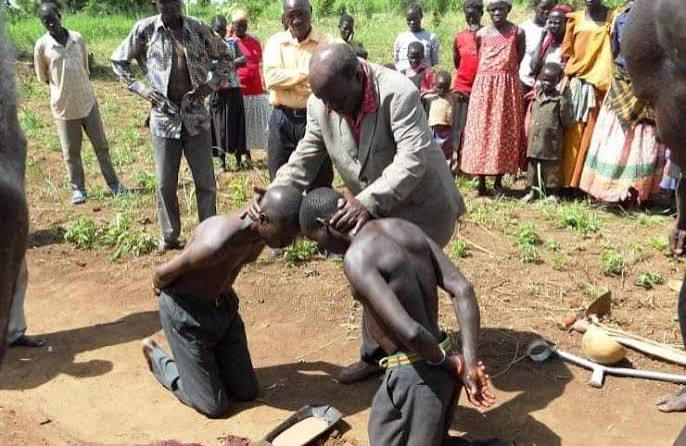 Drinking the Bitter Root Together: Why the Acholi Tradition of "Mato Oput" Still Teaches the World How to Forgive
-
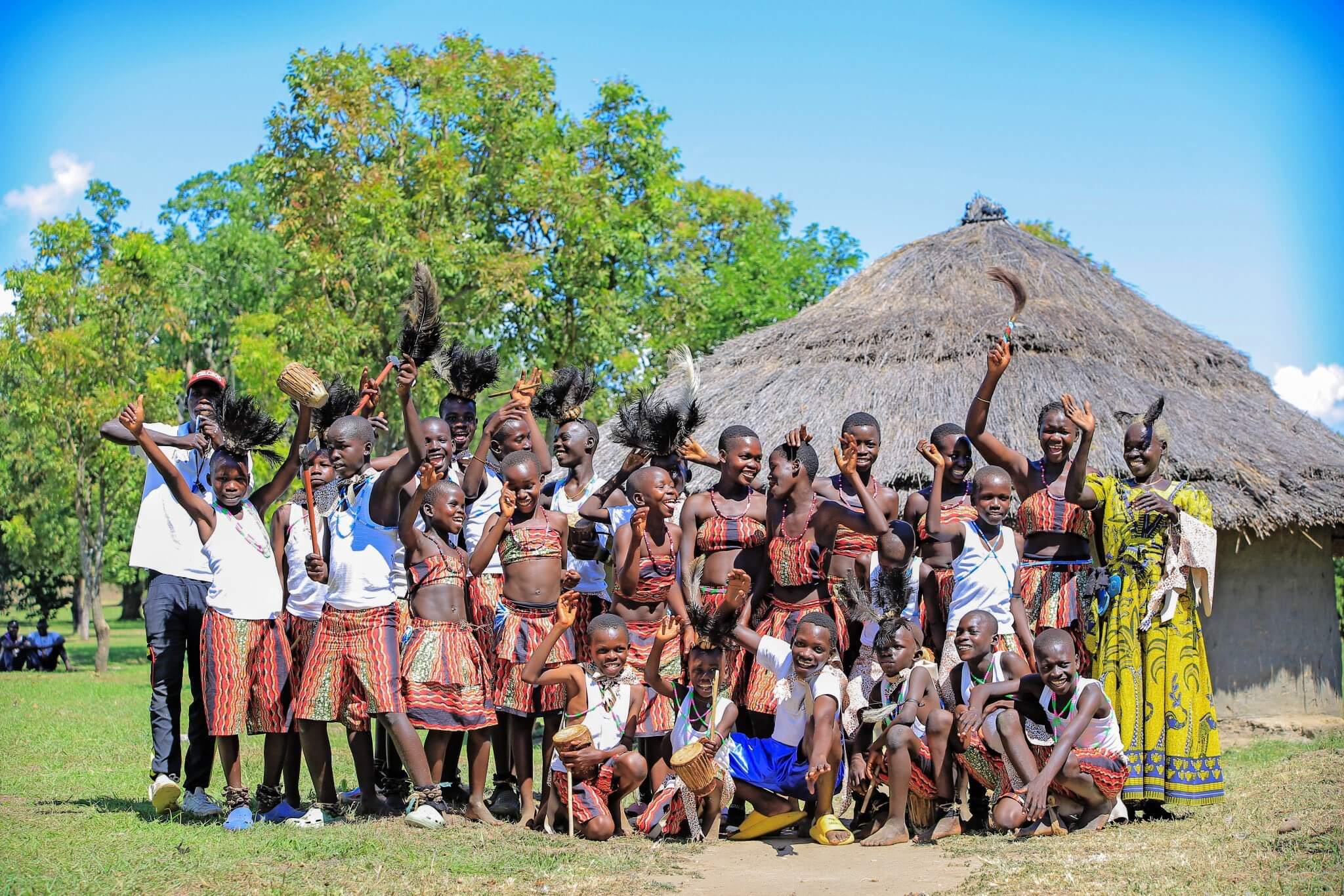 Books, Skills, and Big Dreams: How Young People in Acholi Are Rebuilding Their Future Through Education
-
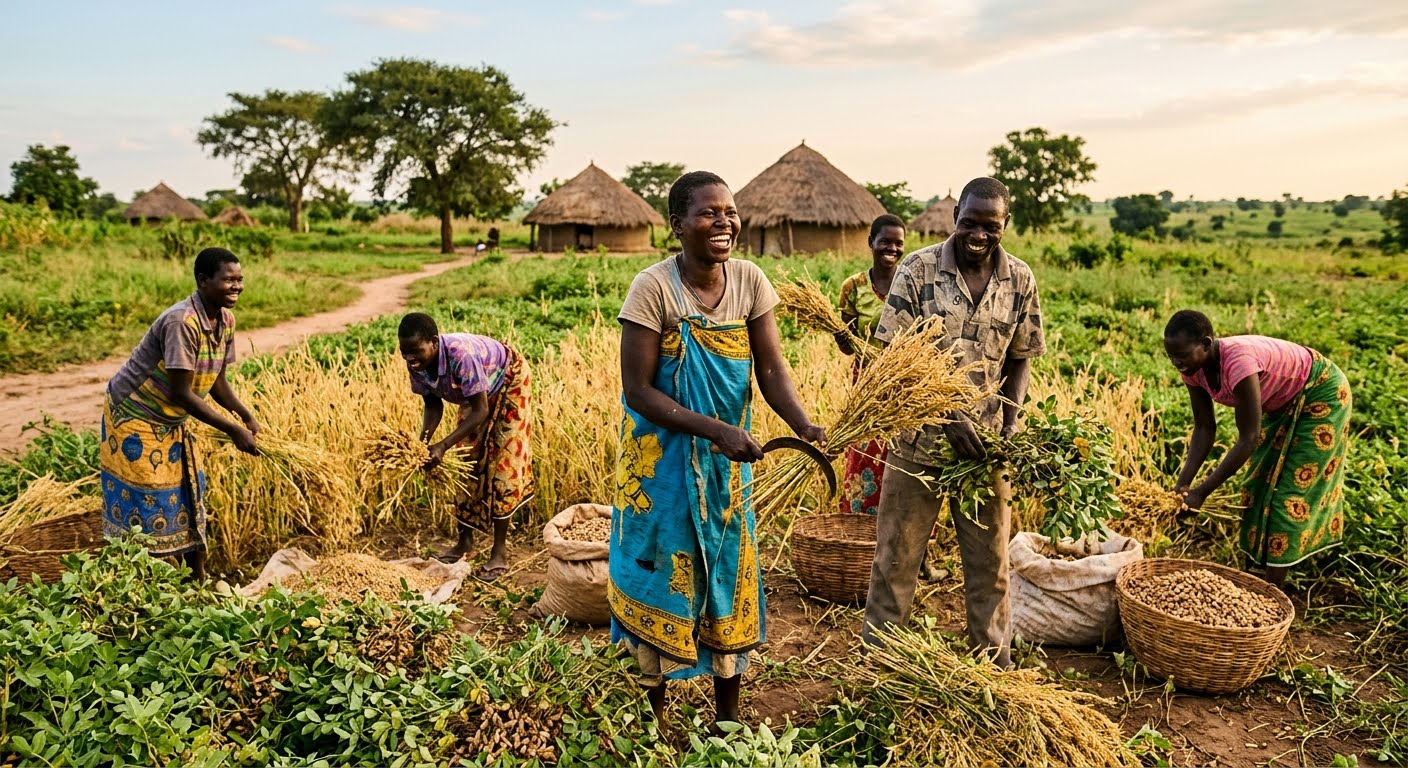 Golden Seeds and Green Fields: How Simsim, Shea Butter, and Small Farms Are Powering Acholi Households
-
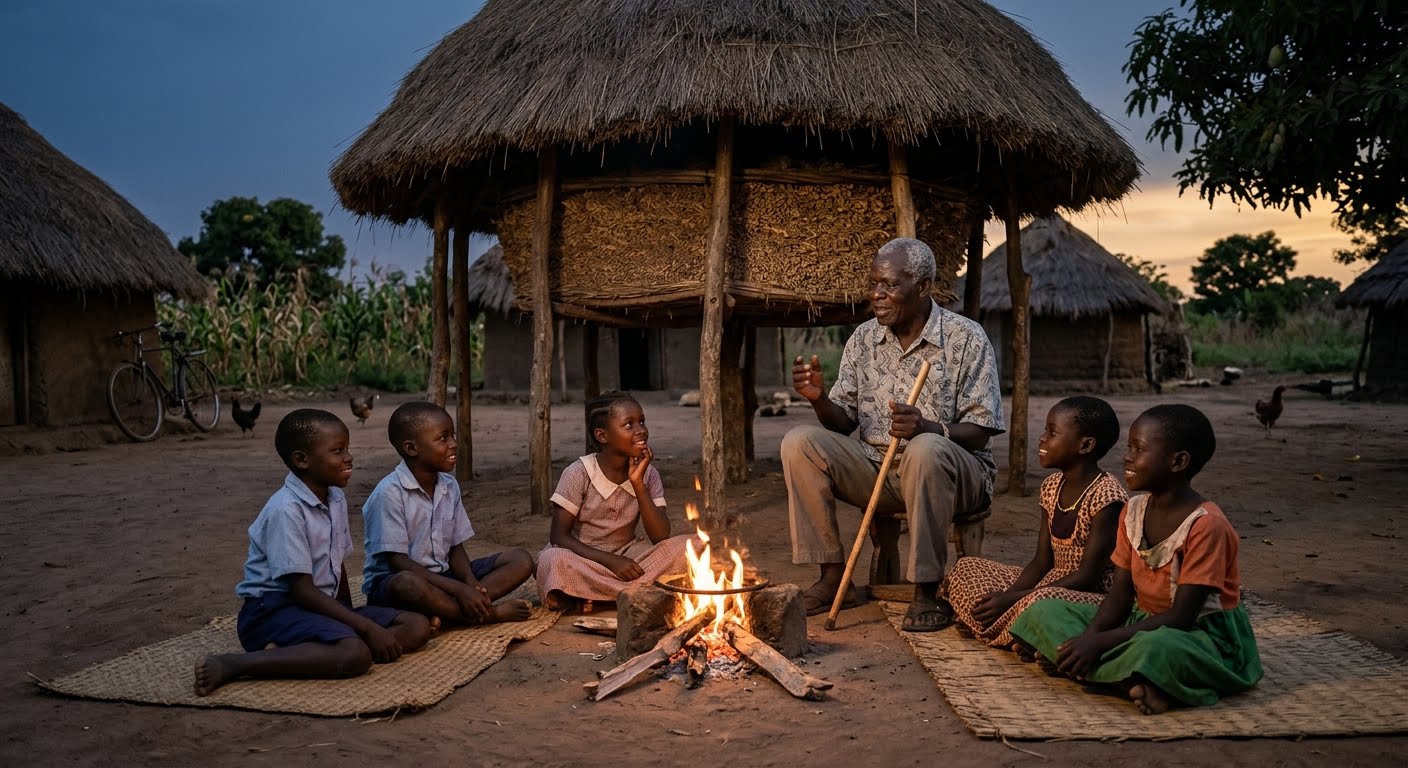 Faith Under the Mango Tree and Inside the Church: How Religion Shapes Hope and Moral Life in Acholi
-
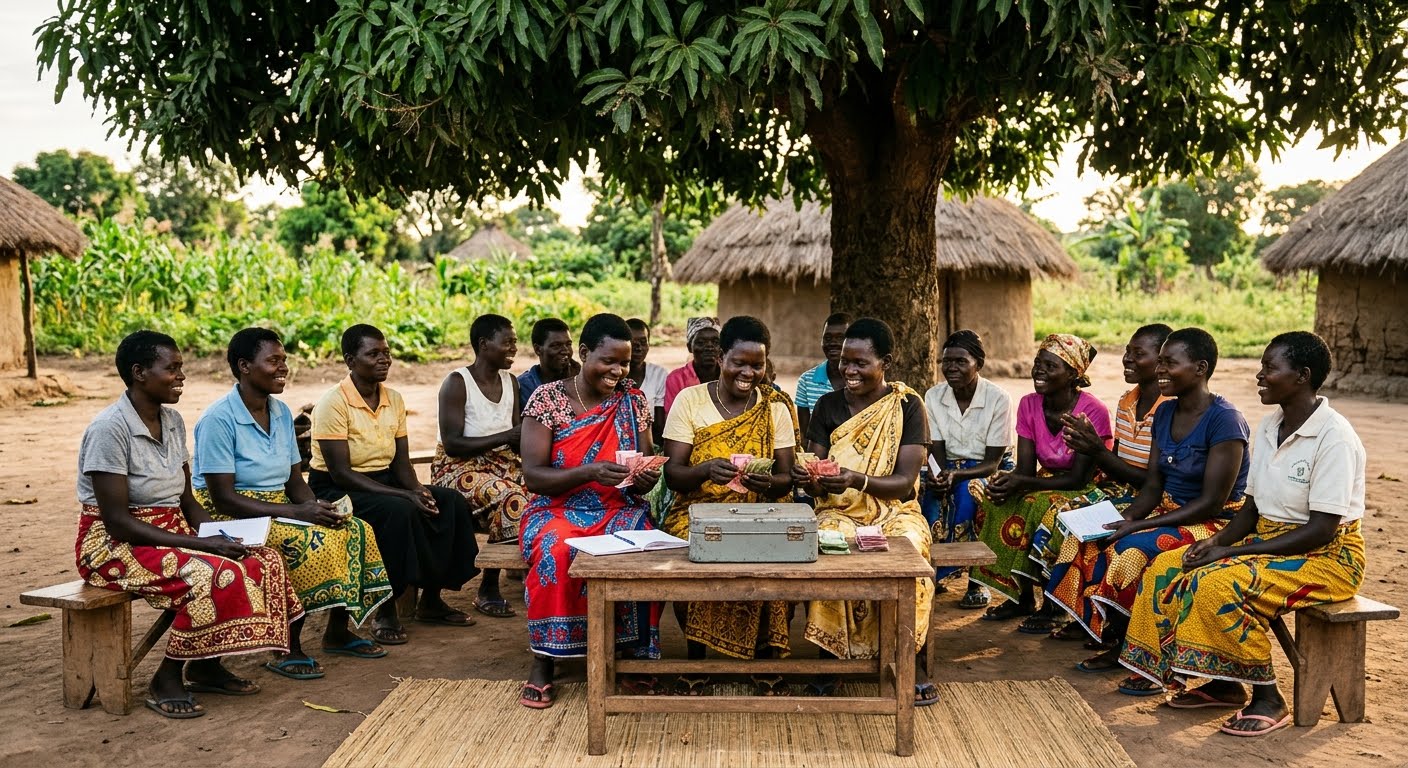 Neighbors Helping Neighbors: How the Spirit of "Konyo Kwo" Keeps Acholi Social Life Warm and Alive
-
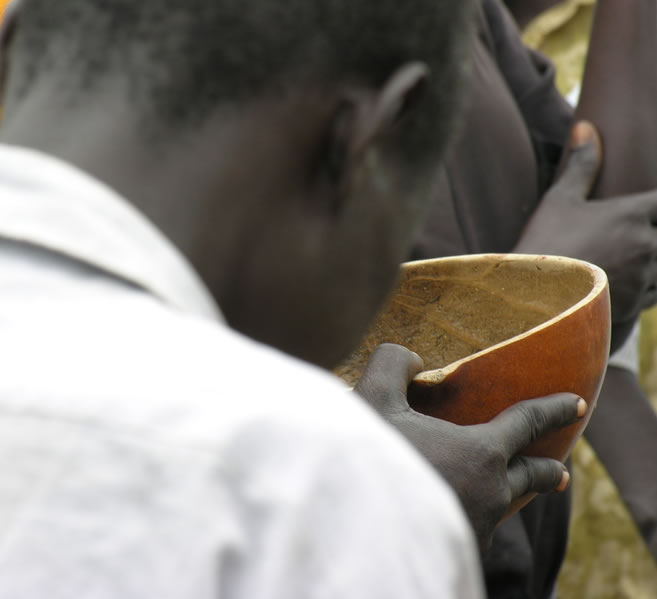 From Fireside Stories to a World-Class Museum: Why Acholi Is Building a Home for Its Own History
-
Our Soil, Our Future: How Acholi Families Are Protecting Their Ancestral Land While Seeking Peaceful Progress
-
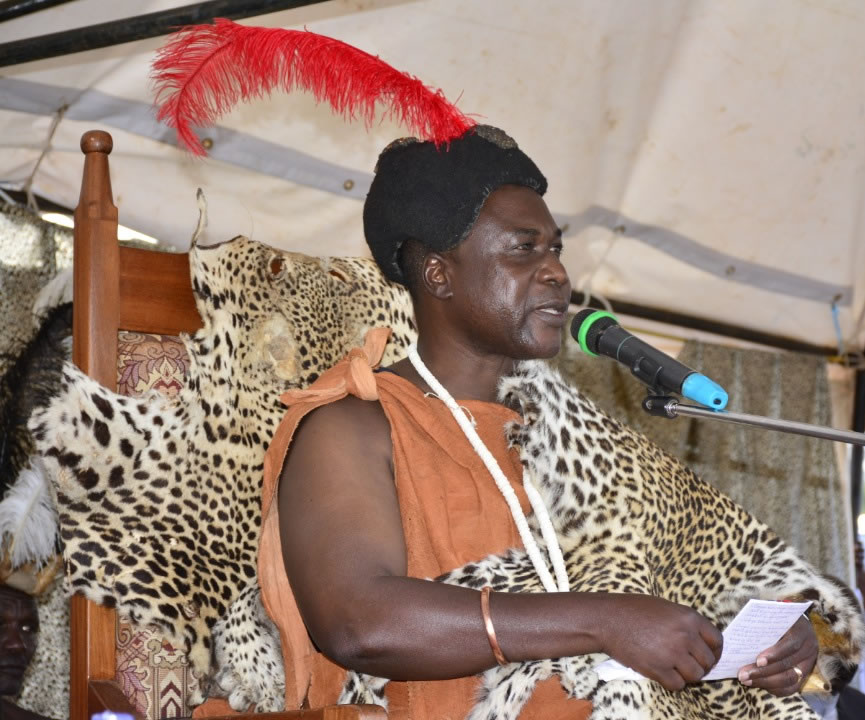 Beyond the Ballot Box: Why Ordinary People in Acholi Are Demanding Leaders Who Listen to Everyday Problems
-
 Rwot David Onen Acana II (born 1967) is the Paramount Chief
Comments (0)
Post Your Comment