
Beyond the Ballot Box: Why Ordinary People in Acholi Are Demanding Leaders Who Listen to Everyday Problems
Posted on: 27 Nov, 2025
If you sit under the shade of a big mango tree in Gulu, Kitgum, or Amuru on a quiet afternoon, you will quickly hear what really matters to the everyday Acholi person. It is rarely the loud political speeches heard on the radio from Kampala. Instead, people talk about the price of cooking oil, the cost of school fees for their children, and whether the local health center has enough medicine when a child gets a fever.
In recent months, following Uganda's 2026 election season, a quiet but powerful shift has been taking place across the Acholi sub-region. Ordinary farmers, market women, boda-boda riders, and elders are making it clear that they want a different kind of politics. For decades, northern Uganda carried the heavy scars of war and felt left behind while other parts of the country grew faster. Today, a new generation of Acholi citizens is tired of being treated merely as votes to be collected every five years. They want leaders who sit with them, listen to their real struggles, and bring practical solutions home.
During community meetings and local radio talk shows across the region, citizens have been raising "bread and butter" issues. Young people who finished school are asking where the jobs are. Mothers selling tomatoes and cassava in local markets are asking for better roads so they can transport their harvests without losing half their produce to mud and potholes. Even government programs meant to fight poverty, like the Parish Development Model, have been at the center of honest village discussions, with residents calling for fairness so that the money actually reaches the poor families it was meant to help.
At the same time, political leaders from Acholi—including senior national figures like Justice Minister Norbert Mao (https://www.google.com/search?kgmid=%2Fm%2F02r6thd&q=let+us+go+with+option+number+1.+Also+could+you+ensure+that+the+articles+written+sound+like+they+were+written+by+a+human+being.+Try+to+use+easier+and+softer+language+as+if+the+articles+were+meant+to+be+read+a+commoner.+Ensure+that+the+images+generated+also+match+the+theme+and+content+of+the+article+norbert+mao) and local district chairpersons—have been urging communities to shift their mindset from pure political arguments toward economic growth and investment. Regional leaders have been working on profiles to attract businesses in farming, tourism, and processing to northern Uganda. However, for the common person in the village, development only makes sense when it puts food on the table and keeps children in school.
What makes Acholi politics unique is the deep respect people still hold for traditional wisdom alongside modern government. In many villages, before a political disagreement turns into anger, elders step in to remind everyone that mato oput—the spirit of reconciliation and talking things through—is the true Acholi way. People believe that a good leader should not divide neighbors along party lines, because when rain falls or when drought hits, it affects everyone regardless of the political color they wear.
As the dust settles on recent political campaigns, the message from the grassroots in Acholi is simple and clear: the time for empty promises is over. Whether a leader sits in Parliament or in a local sub-county office, the people of Acholi are watching closely. They want leaders with soft hearts, open ears, and working hands—leaders who remember that true power comes from serving the common person peacefully and honestly.
Share This
Recent Posts
-
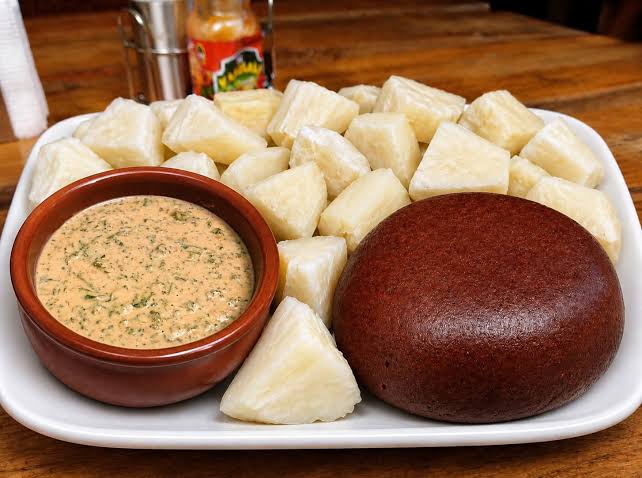 The Taste of Home: How "Malakwang," Millet Bread, and Simsim Keep Acholi Culinary Traditions Alive
-
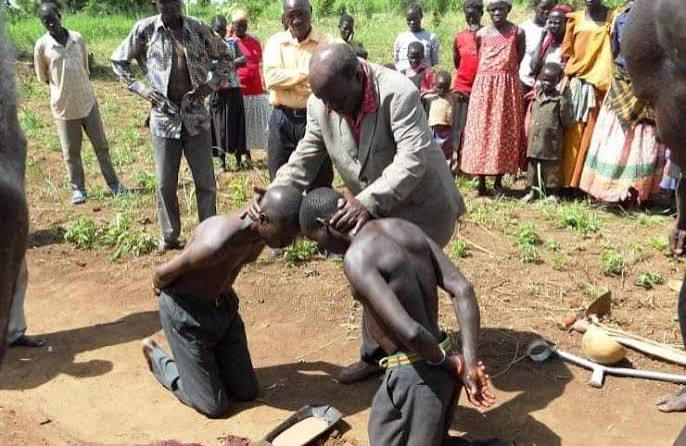 Drinking the Bitter Root Together: Why the Acholi Tradition of "Mato Oput" Still Teaches the World How to Forgive
-
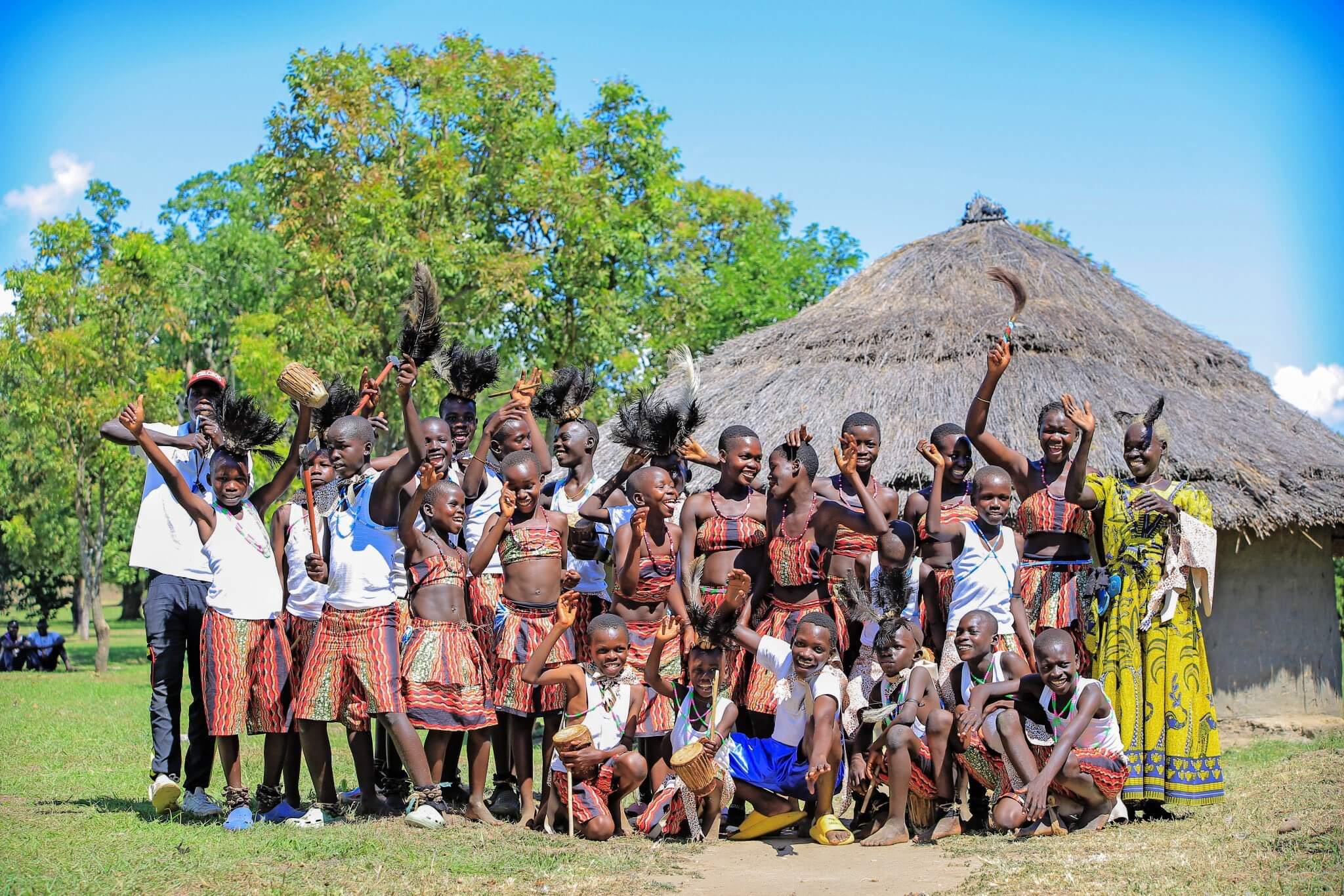 Books, Skills, and Big Dreams: How Young People in Acholi Are Rebuilding Their Future Through Education
-
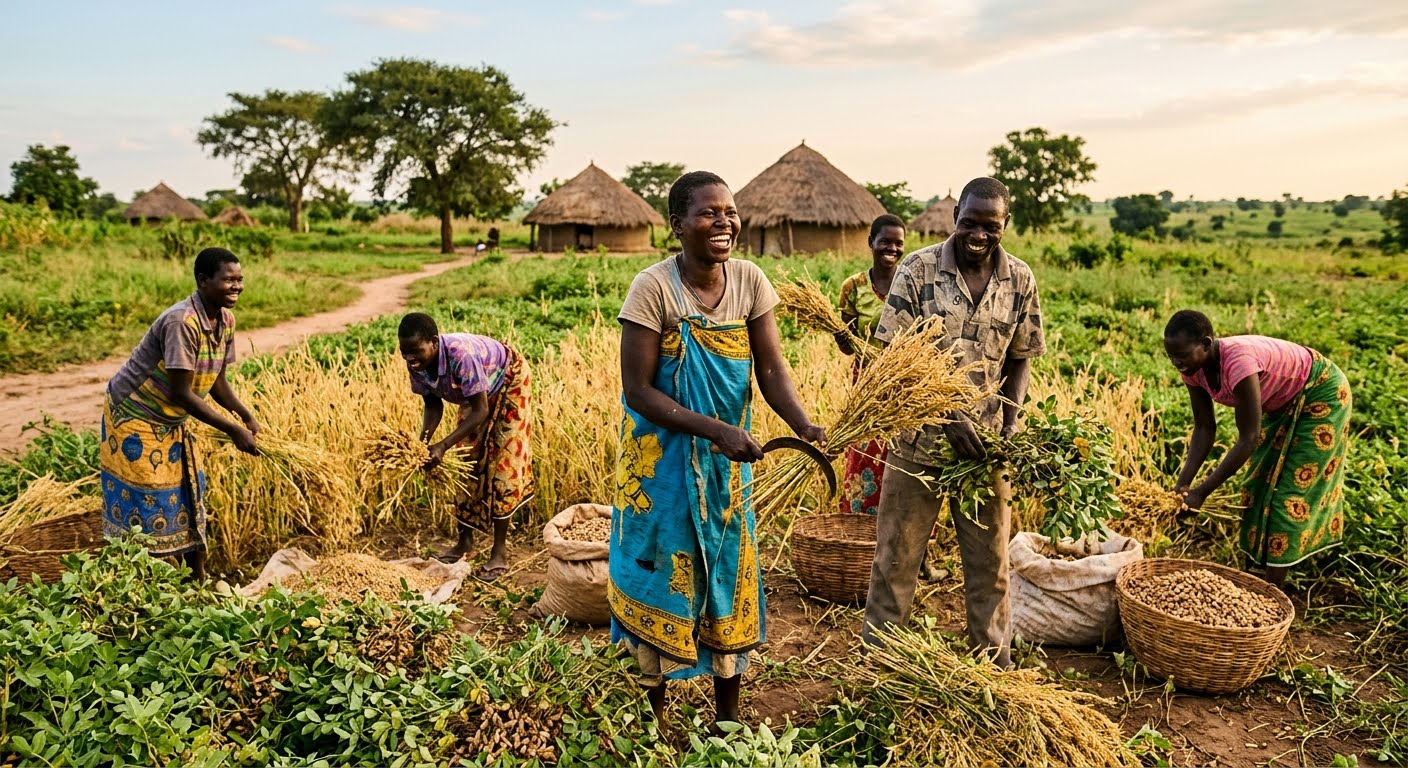 Golden Seeds and Green Fields: How Simsim, Shea Butter, and Small Farms Are Powering Acholi Households
-
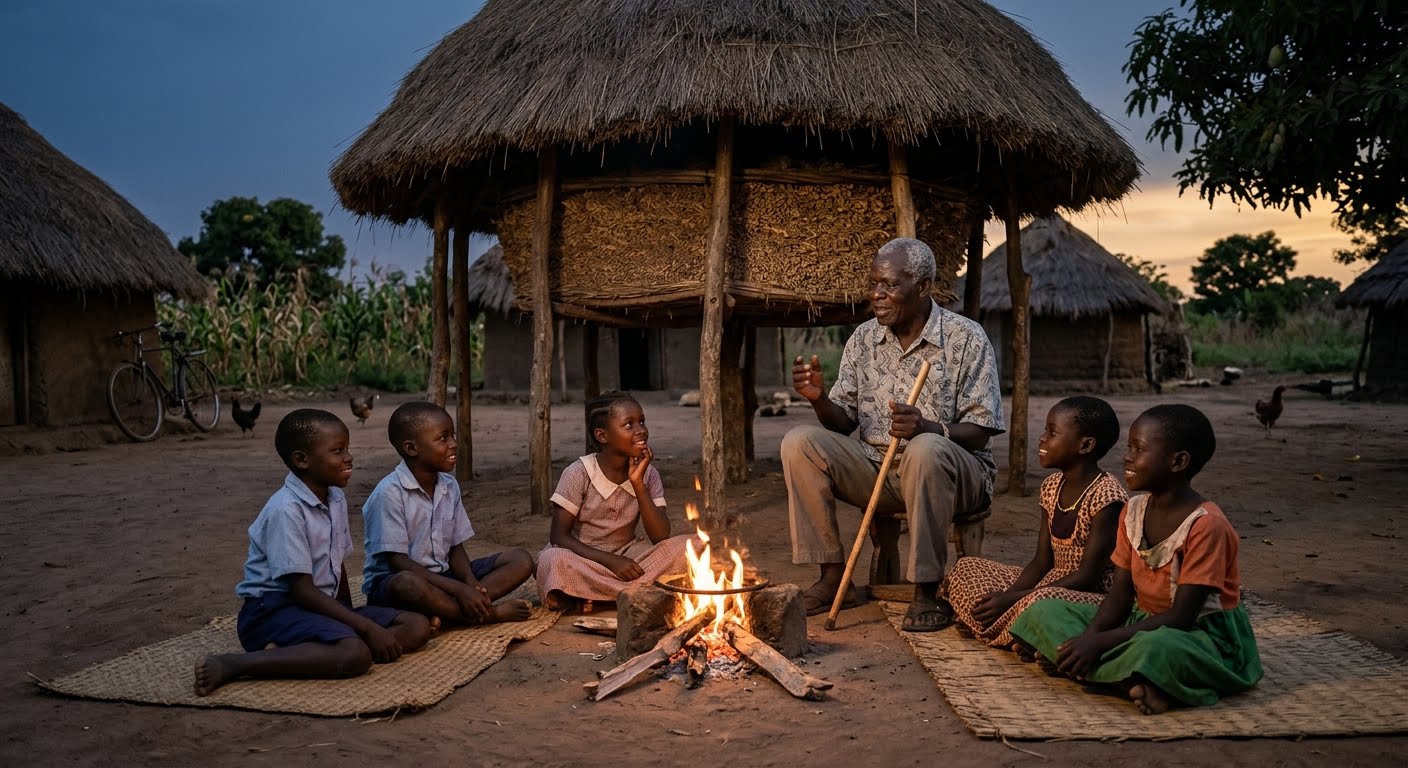 Faith Under the Mango Tree and Inside the Church: How Religion Shapes Hope and Moral Life in Acholi
-
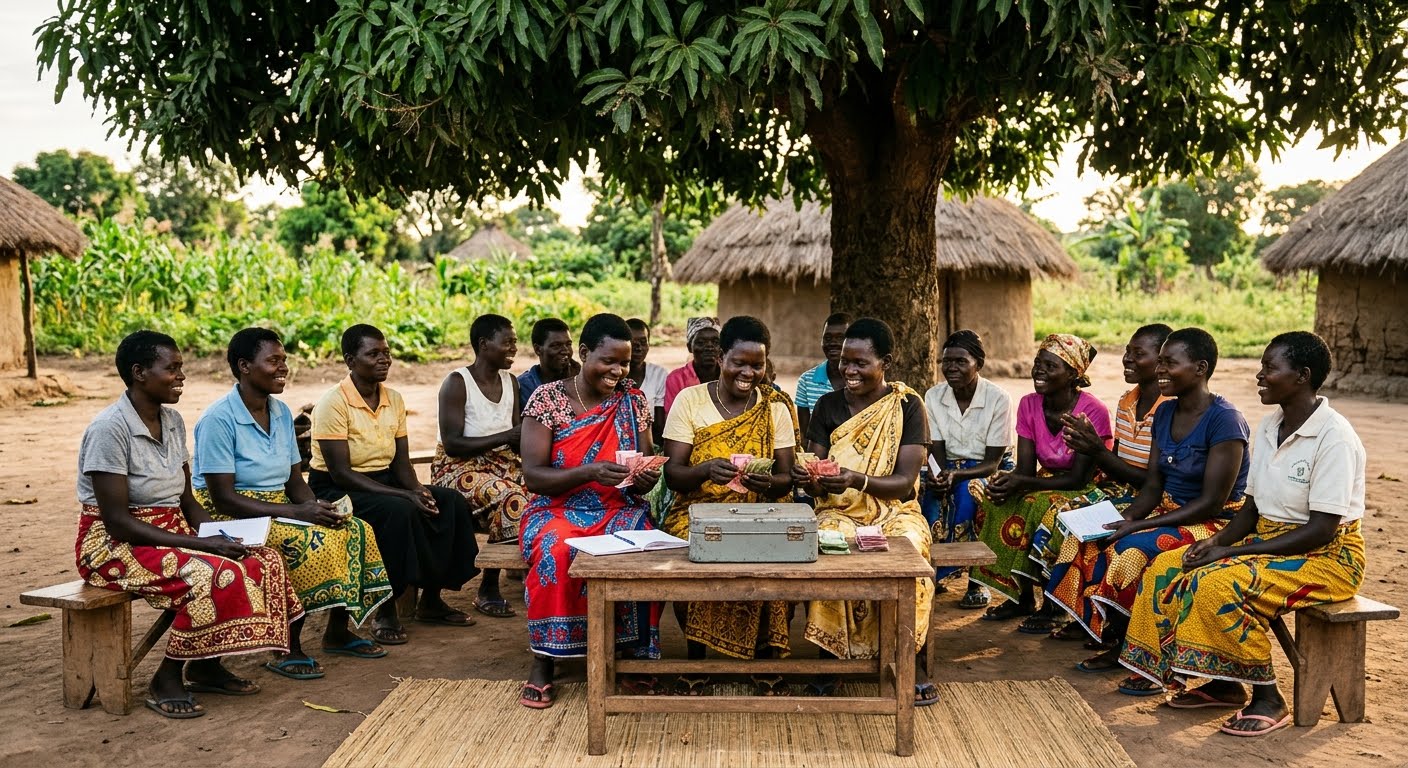 Neighbors Helping Neighbors: How the Spirit of "Konyo Kwo" Keeps Acholi Social Life Warm and Alive
-
 From Fireside Stories to a World-Class Museum: Why Acholi Is Building a Home for Its Own History
-
 Our Soil, Our Future: How Acholi Families Are Protecting Their Ancestral Land While Seeking Peaceful Progress
-
Beyond the Ballot Box: Why Ordinary People in Acholi Are Demanding Leaders Who Listen to Everyday Problems
-
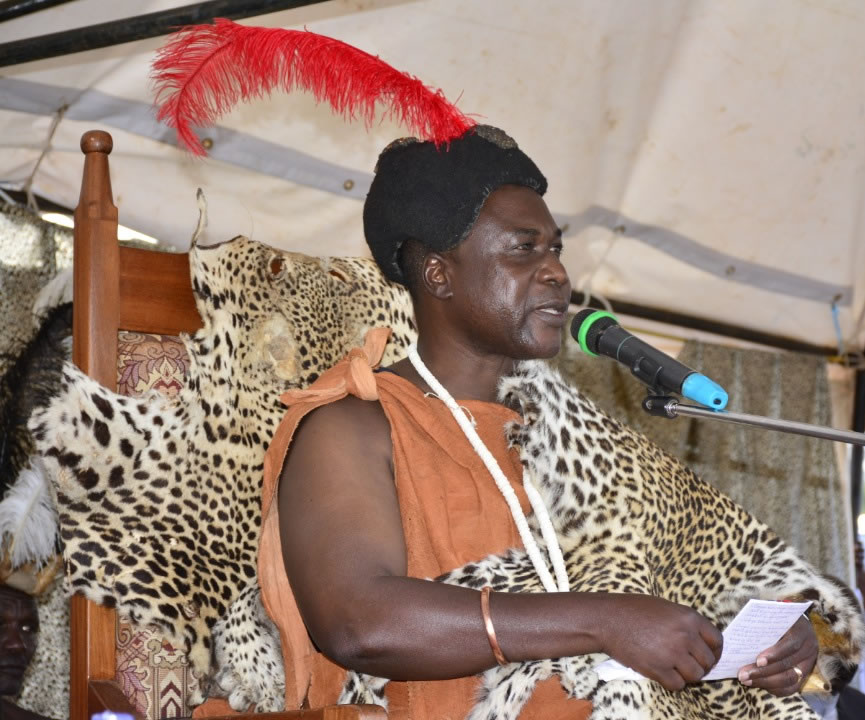
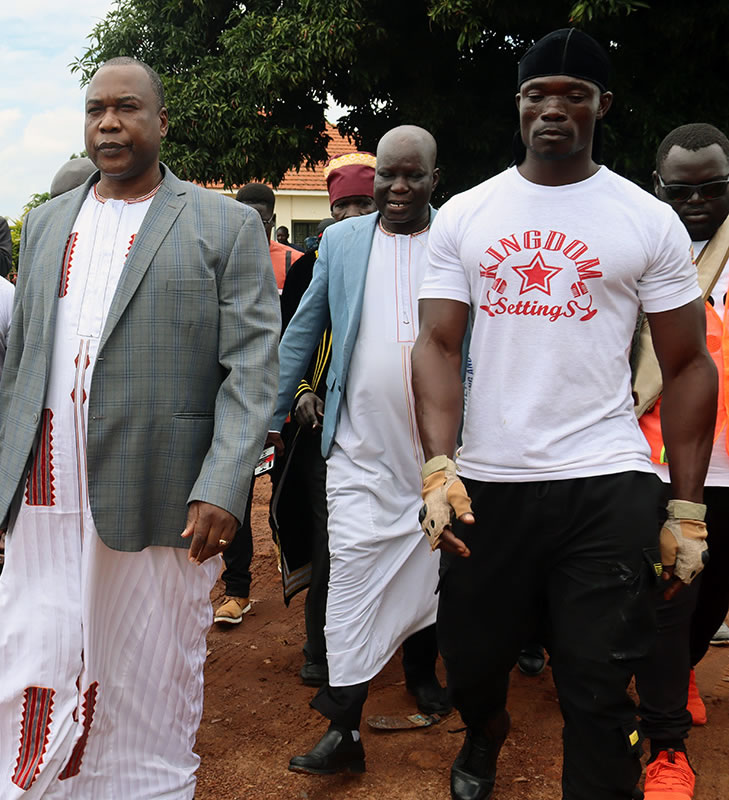 Rwot David Onen Acana II (born 1967) is the Paramount Chief
Comments (0)
Post Your Comment