
Drinking the Bitter Root Together: Why the Acholi Tradition of "Mato Oput" Still Teaches the World How to Forgive
Posted on: 26 Nov, 2026
When two neighbors quarrel over a garden boundary, or when a terrible wrong breaks the peace between two families in an Acholi village, people rarely rush straight to a distant government courthouse. Instead, respected elders invite both sides to sit calmly under the shade of a big tree and talk until the truth comes out into the open.
In Acholi culture, justice is not about locking someone away in a cell while anger continues to boil inside the community. True justice is about healing broken relationships so neighbors can fetch water from the same borehole and farm side-by-side again without fear. That ancient wisdom is captured in Mato Oput—one of Africa's most admired traditional reconciliation ceremonies, whose name literally means "drinking the bitter root."
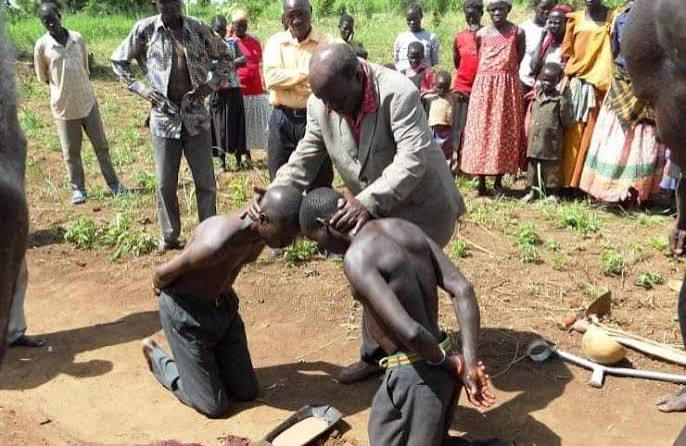
When a serious offense such as an accidental or intentional killing occurs between two clans, life between those families freezes—they do not eat together, drink together, or intermarry until peace is restored. Elders from a neutral clan step in as mediators. The offender must confess the full truth honestly, express genuine sorrow, and agree to pay compensation (culo kwor)—often in the form of cattle or money—to help support the grieving family.
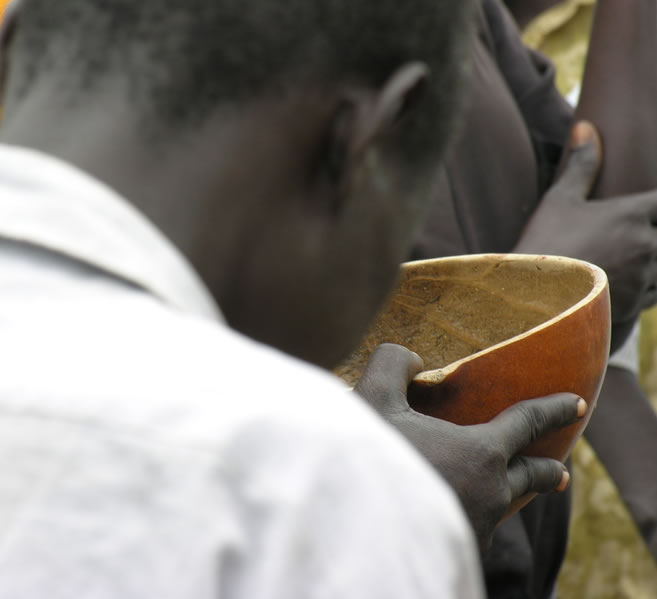
The ceremony reaches its moving climax when both sides kneel together and drink a mixture made from the crushed, bitter root of the oput tree and local brew from the same calabash. The bitter taste reminds everyone of the pain caused by conflict and the bitterness of hatred, while drinking from one vessel shows that both families have swallowed their anger and chosen peace.
In 2026, as Uganda continues implementing its National Transitional Justice Policy, Mato Oput remains deeply relevant—not only for healing lingering wounds from past northern conflicts, but also for settling everyday disputes over land, family disagreements, and youth conflicts. Legal scholars, peacebuilders, and visitors from around the world still travel to Gulu to learn how Acholi elders restore harmony without expensive lawyers or years of court delays.
For the common villager, Mato Oput is more than a ritual; it is a daily way of life. It teaches children from a young age that saying "I am sorry" takes courage, that revenge only multiplies pain, and that peace is sweeter than winning an argument.
Share This
Recent Posts
-
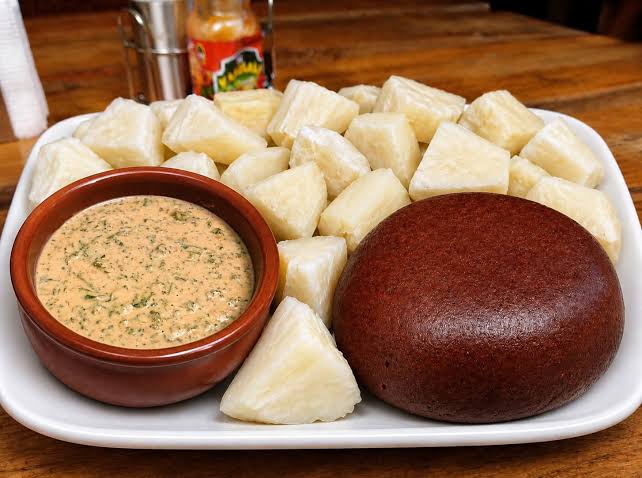 The Taste of Home: How "Malakwang," Millet Bread, and Simsim Keep Acholi Culinary Traditions Alive
-
Drinking the Bitter Root Together: Why the Acholi Tradition of "Mato Oput" Still Teaches the World How to Forgive
-
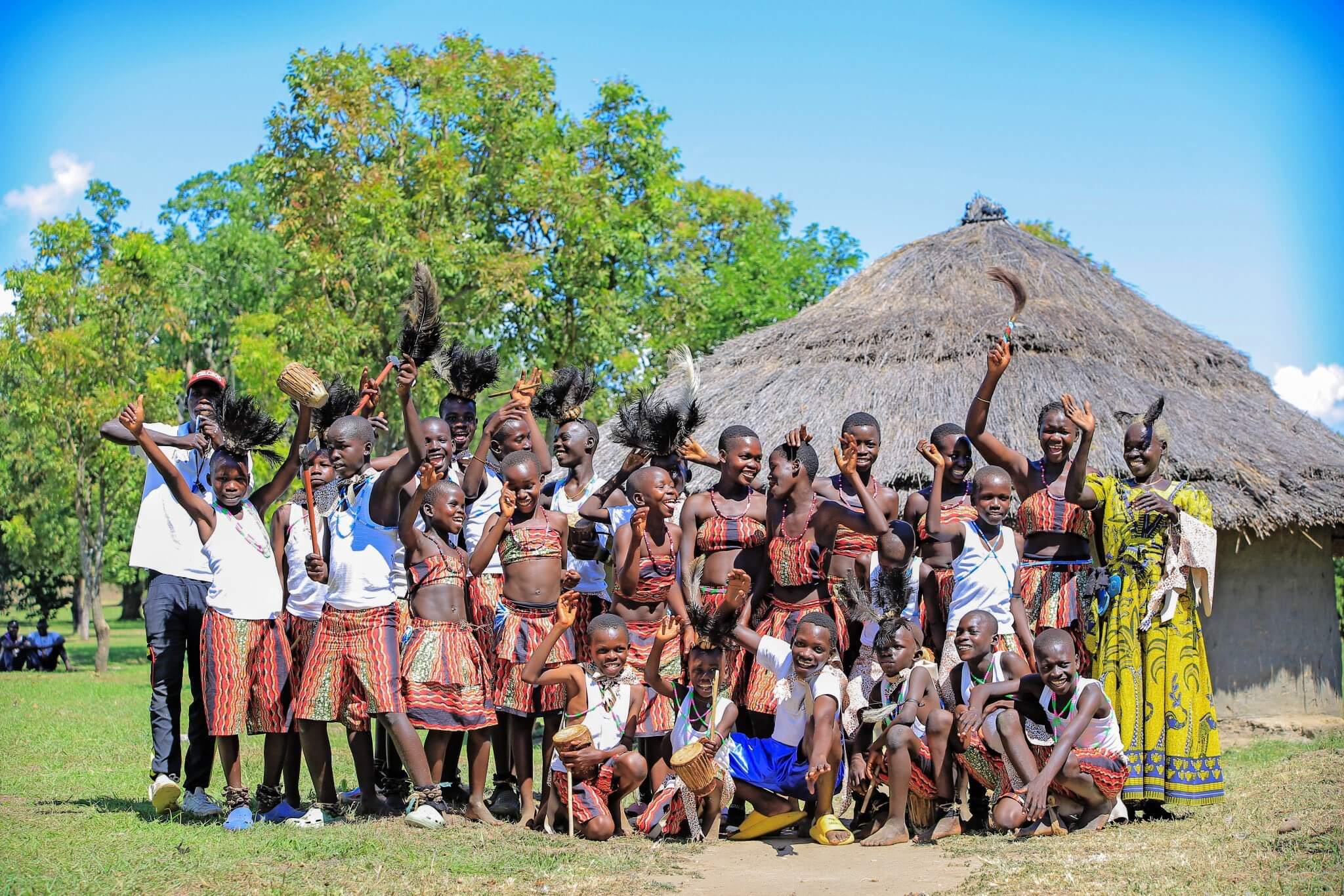 Books, Skills, and Big Dreams: How Young People in Acholi Are Rebuilding Their Future Through Education
-
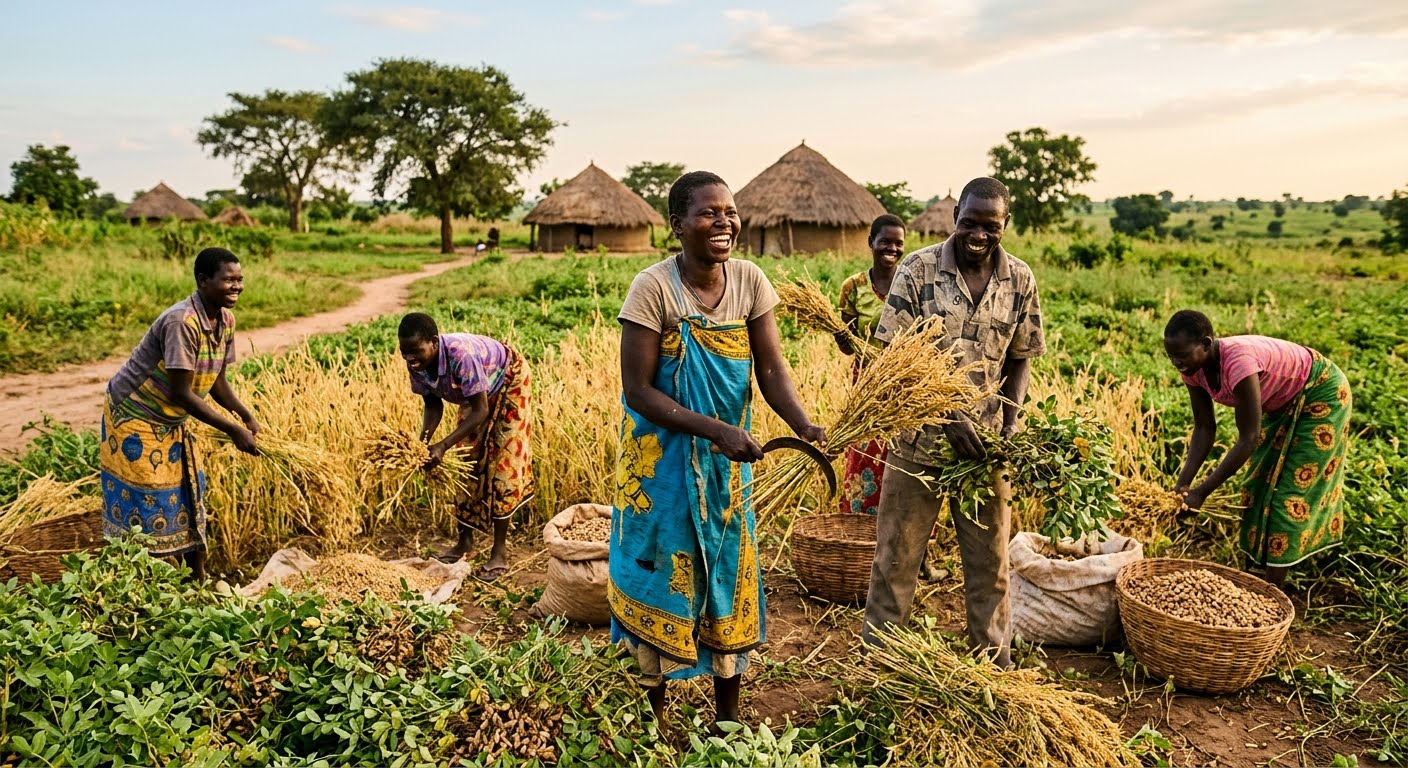 Golden Seeds and Green Fields: How Simsim, Shea Butter, and Small Farms Are Powering Acholi Households
-
 Faith Under the Mango Tree and Inside the Church: How Religion Shapes Hope and Moral Life in Acholi
-
 Neighbors Helping Neighbors: How the Spirit of "Konyo Kwo" Keeps Acholi Social Life Warm and Alive
-
 From Fireside Stories to a World-Class Museum: Why Acholi Is Building a Home for Its Own History
-
 Our Soil, Our Future: How Acholi Families Are Protecting Their Ancestral Land While Seeking Peaceful Progress
-
 Beyond the Ballot Box: Why Ordinary People in Acholi Are Demanding Leaders Who Listen to Everyday Problems
-
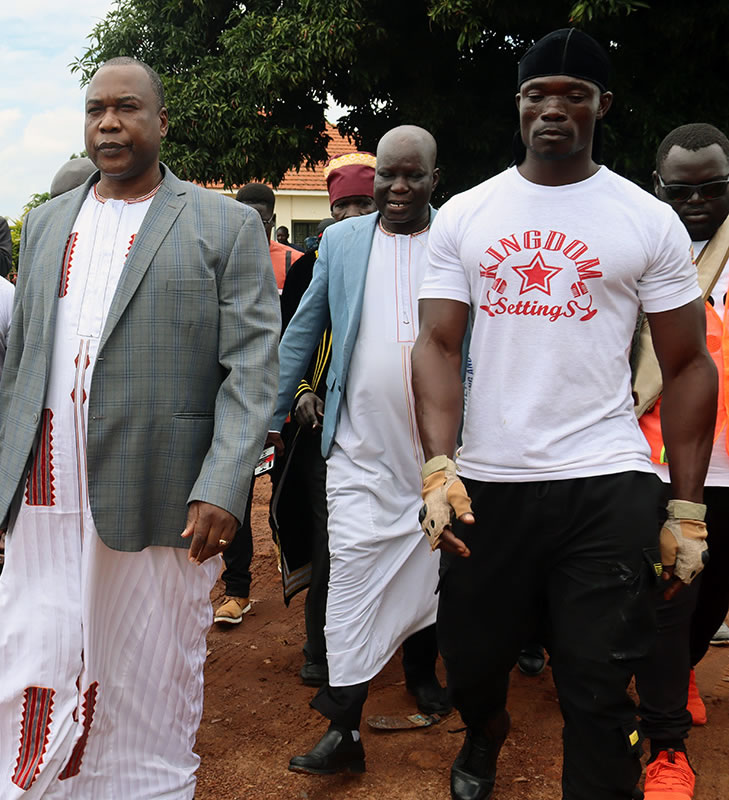 Rwot David Onen Acana II (born 1967) is the Paramount Chief
Comments (0)
Post Your Comment