
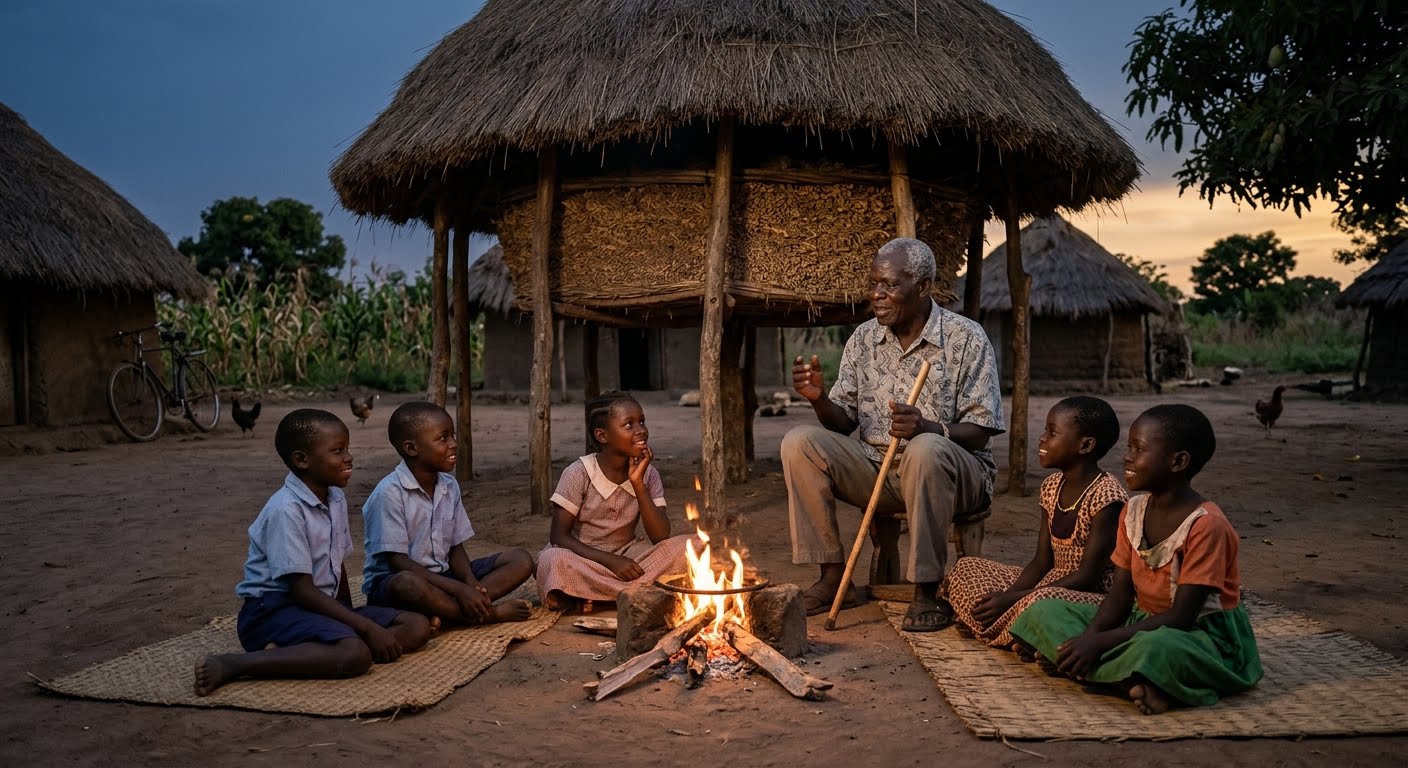
Faith Under the Mango Tree and Inside the Church: How Religion Shapes Hope and Moral Life in Acholi
Posted on: 26 Nov, 2026
On any Sunday morning across Acholiland, dusty footpaths come alive with families walking toward local churches. Mothers wear their cleanest, brightest dresses, children hold neatly wrapped Bibles, and joyful hymns carried by the sound of local drums echo across the green countryside. For the vast majority of Acholi people, faith is not just a weekly habit—it is the anchor that holds families together through storms.
Christianity—especially the Catholic and Anglican churches, alongside fast-growing Pentecostal ministries—is deeply woven into the daily life of northern Uganda, with a smaller, respected Muslim community living peacefully alongside their Christian neighbors. During the darkest years of conflict in the north, religious leaders from the Acholi Religious Leaders Peace Initiative stood bravely on the front lines, walking into the bush to plead for peace and opening church compounds at night so thousands of "night commuter" children could sleep safely away from danger. Ordinary people have never forgotten that sacrifice, which is why pastors, priests, and sheikhs remain some of the most trusted voices in the region.
In recent months, religious leaders across Uganda have been actively engaged in national discussions—including consultations with the government in November 2026 over proposed regulations for religious organizations. In Acholi parishes, local clergy have also used their pulpits to speak honestly about everyday moral struggles, urging leaders to fight corruption and encouraging families to choose honesty, hard work, and peace inside their homes.
What makes faith in Acholi especially interesting is how seamlessly people harmonize modern religion with their ancestral respect for Lubanga—the Supreme Creator. Long before foreign missionaries arrived in northern Uganda over a century ago, the Acholi already believed in a single Almighty God (Lubanga Lacwec, the Creator) who watched over human behavior, rewarded kindness, and hated injustice. When early missionaries translated the Bible into the Acholi language, they used the very name Lubanga for God.
Because of this deep spiritual root, religion in Acholi feels natural and warm rather than foreign. When a baby is born, prayers of thanksgiving are offered both in church and by family elders. When two clans settle a bitter quarrel, Christian prayers for forgiveness often go hand-in-hand with traditional Acholi reconciliation customs so that healing touches both the heart and the community.
Even in the smallest village chapels made of mud bricks and iron sheets, faith gives ordinary farmers, widows, and struggling youth a reason to keep hoping. When rains are late or prices at the market rise, people gather under mango trees to pray together, sing in their mother tongue, and remind one another that Lubanga never forgets His children. In Acholi, faith is simple, practical, and full of grace—a steady light guiding common people forward one day at a time.
Share This
Recent Posts
-
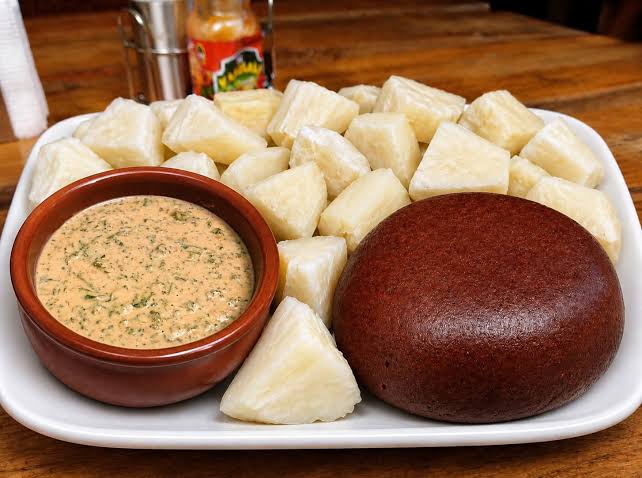 The Taste of Home: How "Malakwang," Millet Bread, and Simsim Keep Acholi Culinary Traditions Alive
-
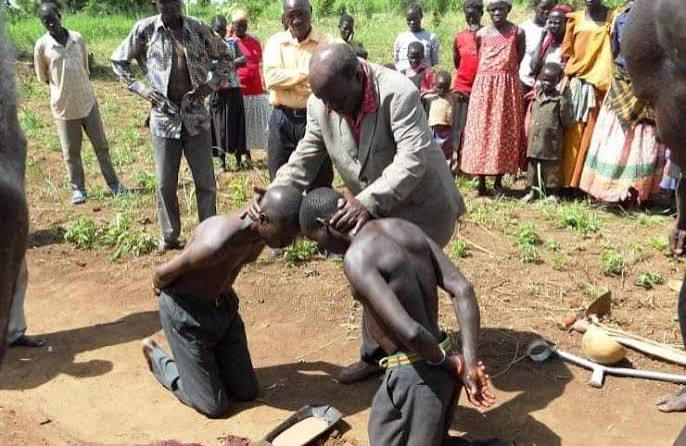 Drinking the Bitter Root Together: Why the Acholi Tradition of "Mato Oput" Still Teaches the World How to Forgive
-
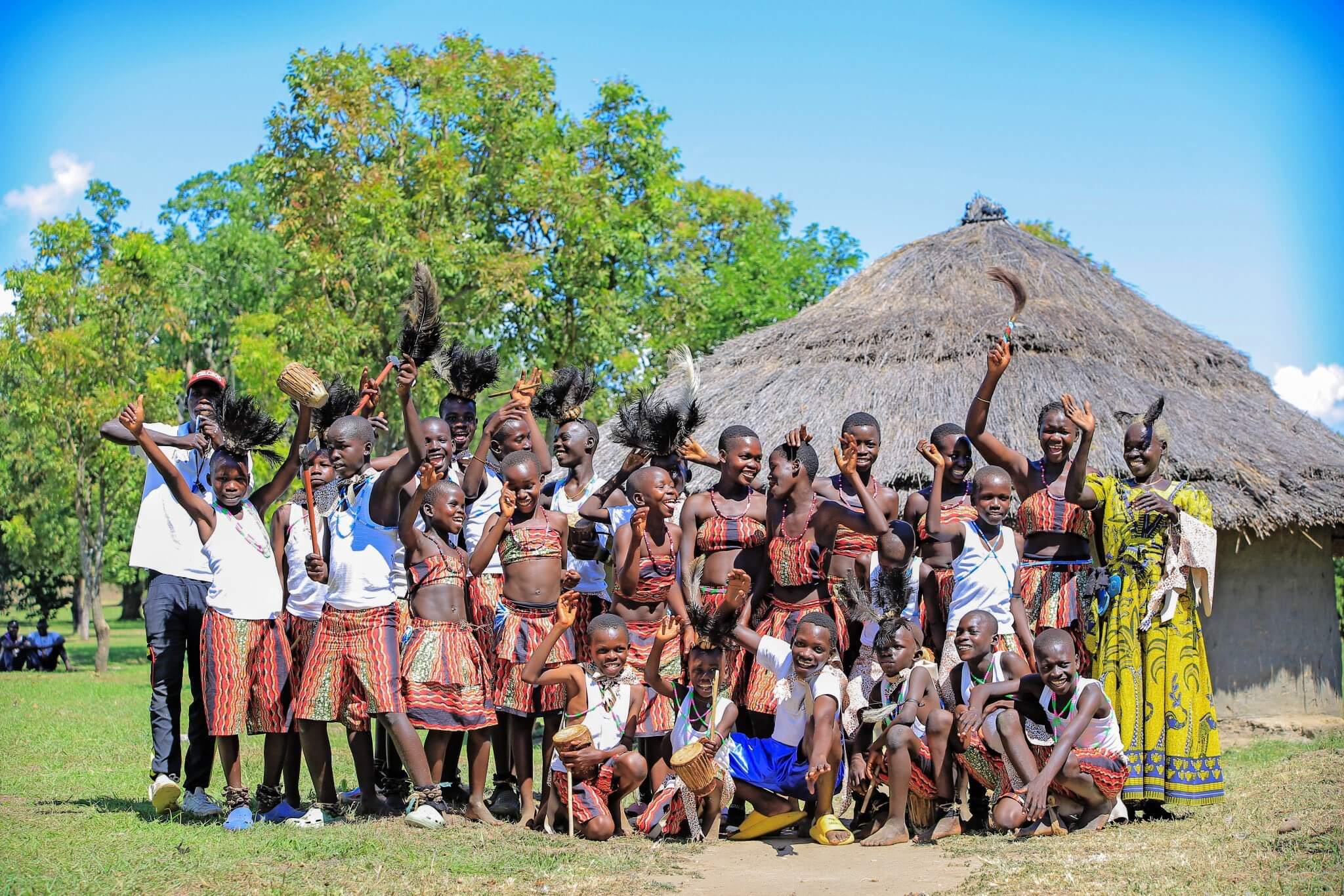 Books, Skills, and Big Dreams: How Young People in Acholi Are Rebuilding Their Future Through Education
-
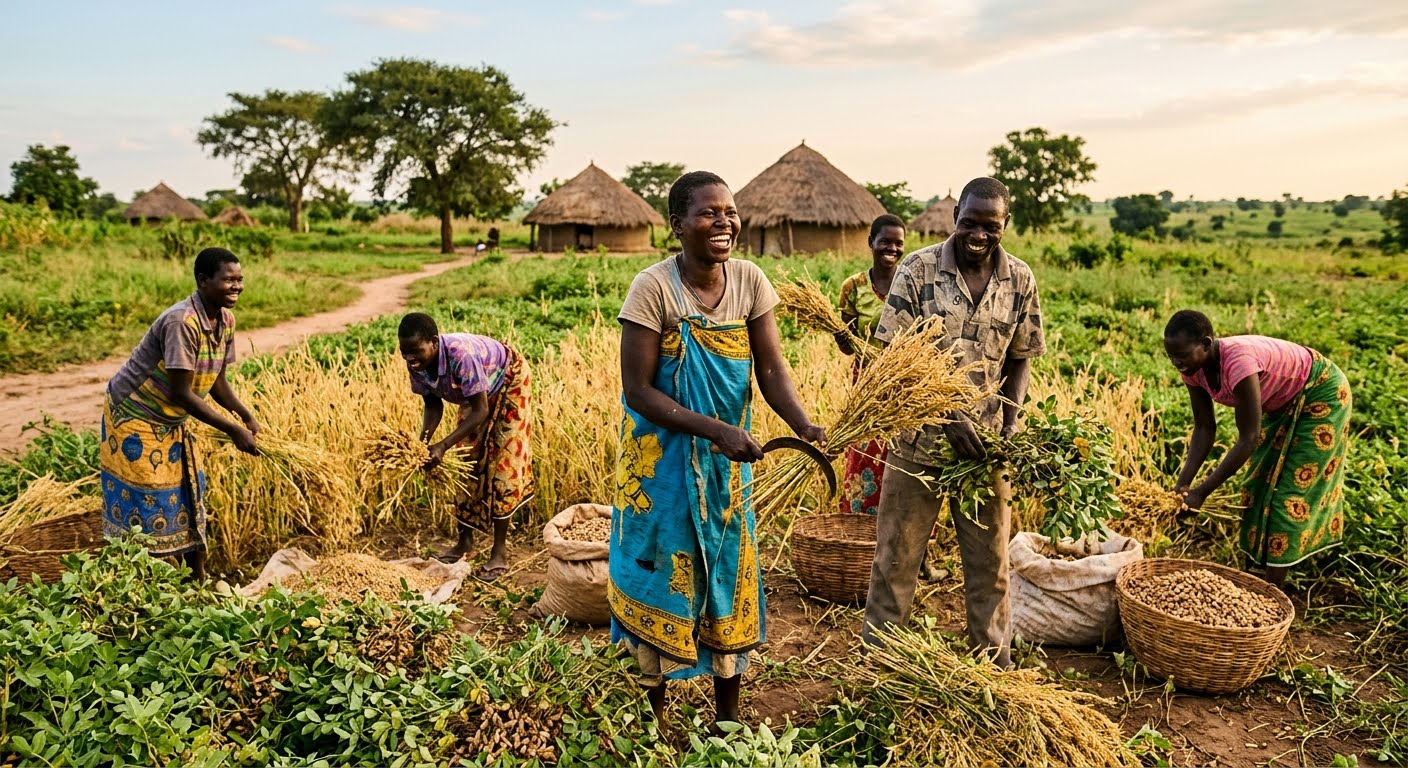 Golden Seeds and Green Fields: How Simsim, Shea Butter, and Small Farms Are Powering Acholi Households
-
Faith Under the Mango Tree and Inside the Church: How Religion Shapes Hope and Moral Life in Acholi
-
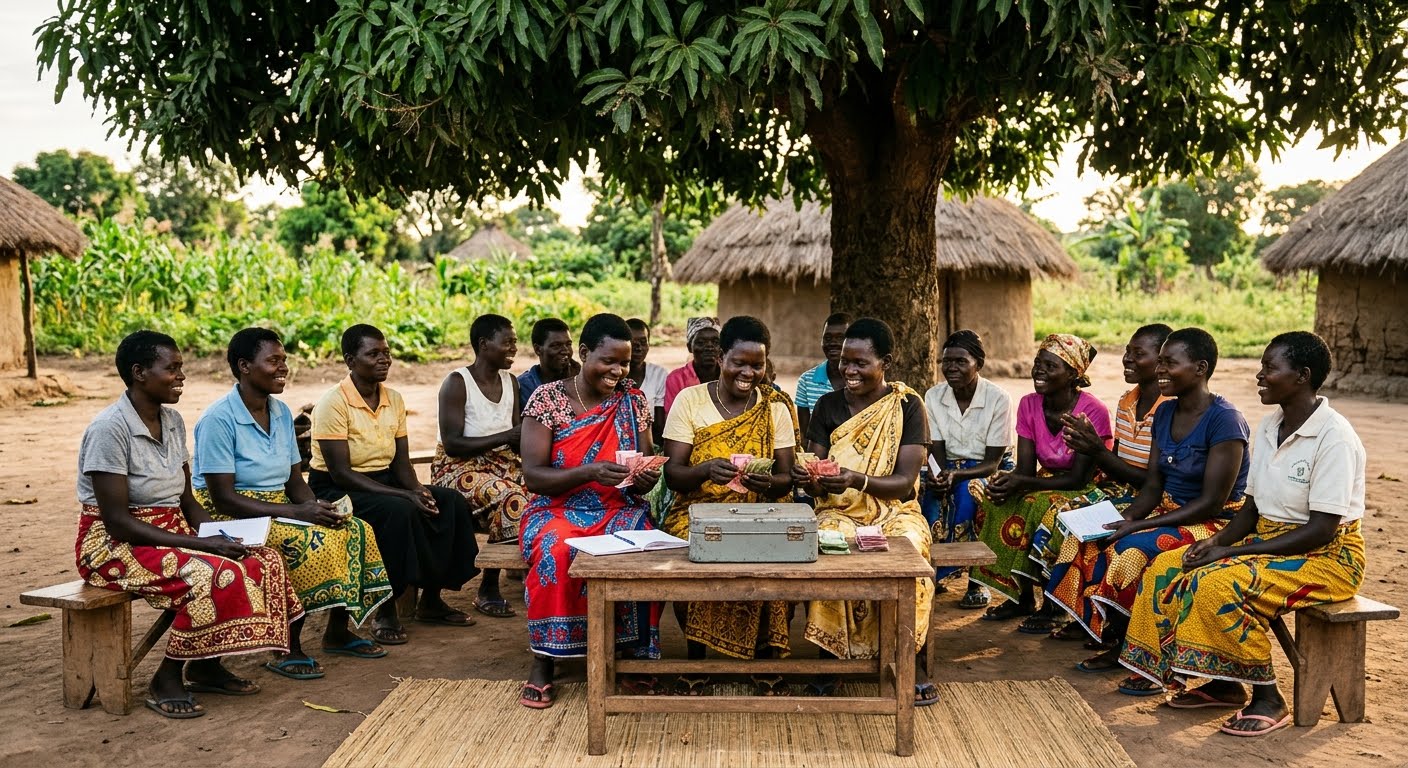 Neighbors Helping Neighbors: How the Spirit of "Konyo Kwo" Keeps Acholi Social Life Warm and Alive
-
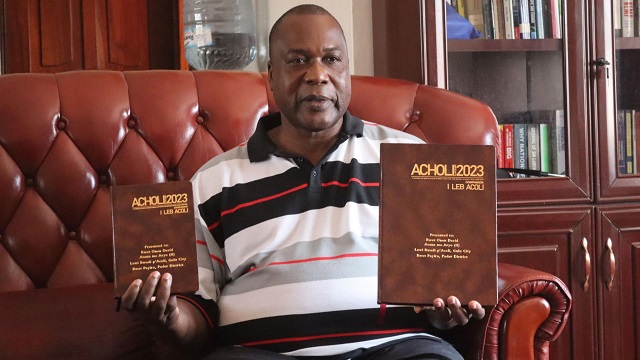
 From Fireside Stories to a World-Class Museum: Why Acholi Is Building a Home for Its Own History
-
 Our Soil, Our Future: How Acholi Families Are Protecting Their Ancestral Land While Seeking Peaceful Progress
-
 Beyond the Ballot Box: Why Ordinary People in Acholi Are Demanding Leaders Who Listen to Everyday Problems
-
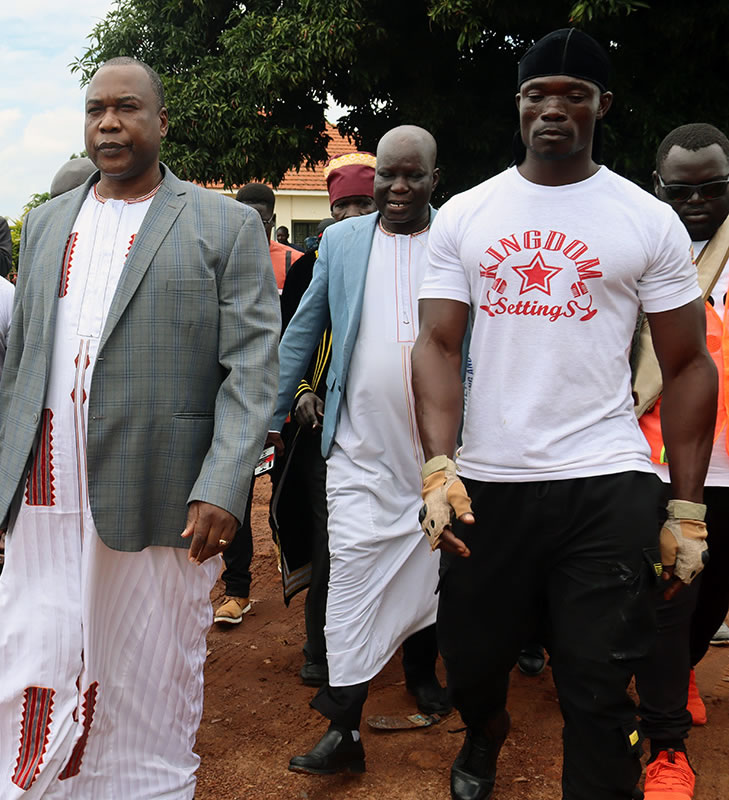 Rwot David Onen Acana II (born 1967) is the Paramount Chief
Comments (0)
Post Your Comment