

Lorem ipsum dolor sit amet, ea qui tation adversarium definitionem, eu labitur denique est. Ad duo quando recusabo petentium. Mea elit affert oportere ex. Ut error affert accusam pri. Sit no causae vidisse invenire, bonorum inermis nec ex.
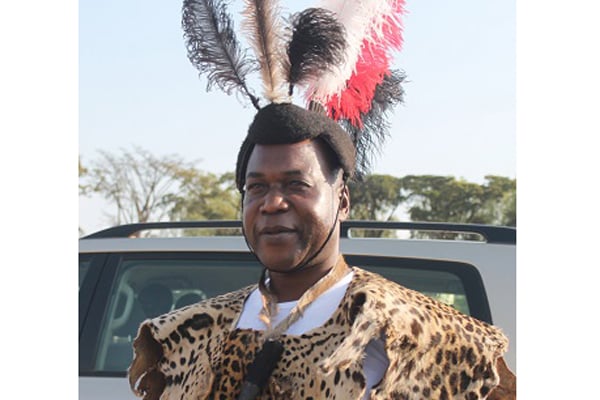
Lorem ipsum dolor sit amet, ea qui tation adversarium definitionem, eu labitur denique est. Ad duo quando recusabo petentium. Mea elit affert oportere ex. Ut error affert accusam pri. Sit no causae vidisse invenire, bonorum inermis nec ex.
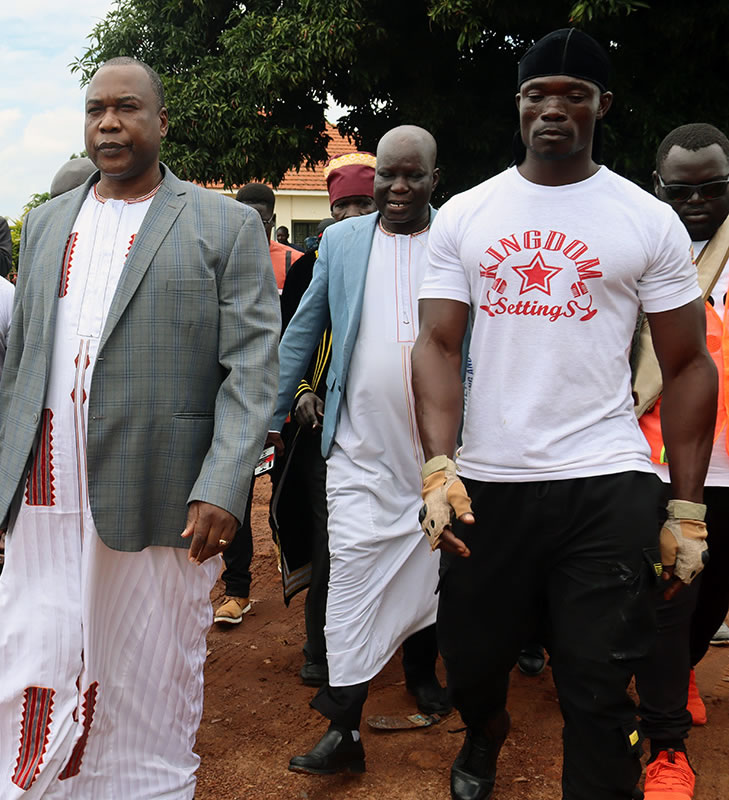
Lorem ipsum dolor sit amet, ea qui tation adversarium definitionem, eu labitur denique est. Ad duo quando recusabo petentium. Mea elit affert oportere ex. Ut error affert accusam pri. Sit no causae vidisse invenire, bonorum inermis nec ex.
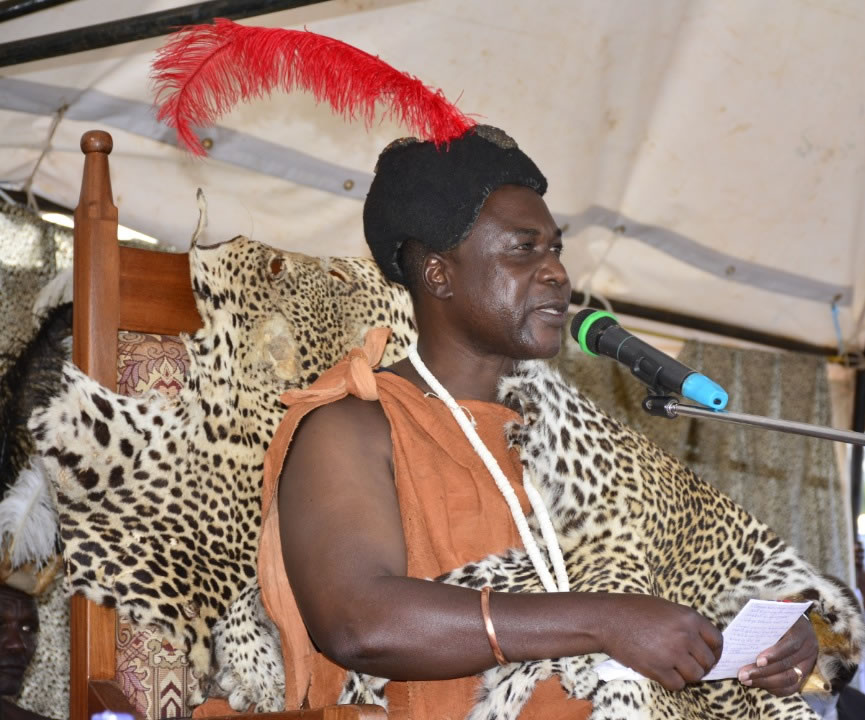
Lorem ipsum dolor sit amet, ea qui tation adversarium definitionem, eu labitur denique est. Ad duo quando recusabo petentium. Mea elit affert oportere ex. Ut error affert accusam pri. Sit no causae vidisse invenire, bonorum inermis nec ex.
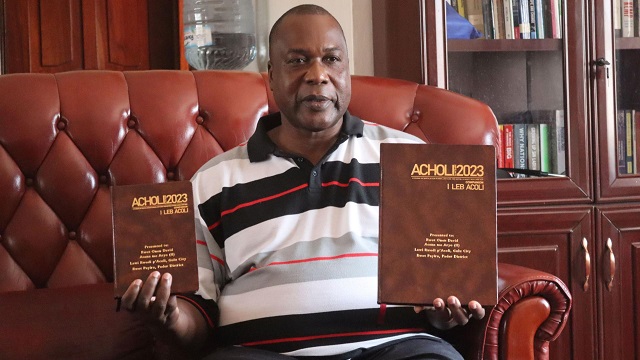
Lorem ipsum dolor sit amet, ea qui tation adversarium definitionem, eu labitur denique est. Ad duo quando recusabo petentium. Mea elit affert oportere ex. Ut error affert accusam pri. Sit no causae vidisse invenire, bonorum inermis nec ex.

He has cautioned against land grabbing and illegal sales, urging the community to view land as a vital resource for production Cultural Leadership
A Legacy of Leadership
& Reconciliation
Rwot David Onen Acana II is the Paramount Chief (Rwot Moo) of the Acholi people of northern Uganda. He was installed as paramount chief in 2000, following in the footsteps of his father.
The title "Rwot Moo" (anointed chief) represents the highest traditional authority among the Acholi people. Rwot Acana II has been instrumental in leading his people through the aftermath of the devastating Lord's Resistance Army (LRA) conflict, which displaced nearly two million Acholi people during the 1980s-2000s.
He has championed reconciliation, cultural preservation, and the rebuilding of Acholi communities. Today, he works alongside government institutions while fiercely preserving the traditional governance structures that have guided the Acholi for centuries.